If you’ve ever worked in the injection molding industry, you know that every part of the process counts—especially when you’re dealing with special structure molds. I’m John, the operations lead at a mold supply company that’s focused entirely on custom, complex tooling for industries like automotive, medical devices, and aerospace. For 12 years, I’ve stood on the shop floor next to our moldmakers and quality team, watched parts come off the press, and fixed the mess that happens when something goes wrong. Today, I want to talk about one mistake that might not seem like a big deal at first, but can derail even the most well-designed custom mold: improper mold clamping—especially when you’re working with special structure molds, which have unique features most standard tooling doesn’t. Special Structure Mold
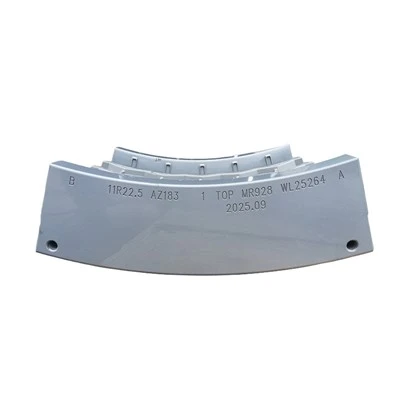
Last quarter, we had a customer reach out in a panic. They were a medical device manufacturer that made tiny, precision catheter components using a three-slide core-pull mold—one of the special structure types we specialize in. For two weeks, their press was spitting out parts with flash along the mating lines of the core pulls. They’d adjusted injection pressure and melt temperature, swapped out material, and even recalibrated their injection machine, but the flash kept coming back. When they sent us samples and shared their clamping logs, we immediately saw the problem: their clamping force was set 25% too low for that specific mold. That issue cost them $140,000 in downtime, scrap parts, and missed shipping deadlines, all because they didn’t understand how improper clamping hits special structure molds differently than standard ones. That’s what makes this topic so important—special structure molds aren’t just standard molds with a fancy add-on; their design relies on precise clamping to work as intended.
First, let’s clarify what special structure molds are, because that’s where the confusion starts. Standard two-plate or three-plate molds are straightforward: they have a core and cavity, part ejection, and maybe a basic core pull. Special structure molds are built for parts that can’t be made with that simplicity. Think of multi-slide core pulls for undercuts, hot runners with valve gating for complex geometric shapes, stack molds that produce two parts per cycle, or rotational molds with segmented cores for hollow, unique parts. For each of these, the mold has extra moving components, tight tolerances, and load distribution that’s not uniform across the mold face. That means clamping— the process of securing the two halves of the mold closed during injection—isn’t a one-size-fits-all step. Improper clamping here doesn’t just cause minor flash; it triggers a chain of issues that are unique to these complex designs.
One of the most immediate and visible problems is flash, but not just any flash. With standard molds, low clamping force can cause flash along the main parting line, but in special structure molds, the flash often shows up in the hidden, tight-tolerance areas that make the mold special. Take the catheter mold I mentioned earlier: its three slide cores are located on the side of the main mold, not aligned with the center. When clamping force is too low, those smaller core sections don’t seat tightly against the cavity inserts. Melt material seeps into the tiny gaps between the slides and the main mold body, creating thin, unwanted flash that wraps around the catheter tip. The worst part? That flash is almost impossible to trim without damaging the part’s delicate, lumen structure—something the medical customer didn’t realize until they’d already produced 12,000 scrap parts. For a customer using special structure molds, part geometry is everything; a tiny flash in an undercut or a complex rib can make the part unfit for its intended use, whether that’s a medical implant component or a aerospace bracket that has to fit into a tight assembly.
Beyond flash, improper clamping causes what’s called “mold shift,” and this is where special structure molds take the biggest hit. Mold shift is when one half of the mold moves slightly off-center during injection—usually because clamping force isn’t distributed evenly. In a standard mold, that might cause slight dimensional variation, but it’s often manageable. In a multi-cavity stack mold, or a mold with staggered core pulls, mold shift can throw off every part in the cycle, and not just in one area. Last year, we worked with an automotive customer making a complex fuel system component using a stack mold with two levels of cavities. They had their clamping force set too high on the outer edges of the mold and too low in the center. During injection, the center cavity halves shifted inward by 0.008 inches—hardly a noticeable number, until that shift made the internal fuel passageways misalign. The parts didn’t pass leak testing, and the customer had to scrap 20,000 parts that week. What made this worse? Because it was a special structure stack mold, the clamping load isn’t evenly distributed across the entire parting line like a standard mold. The extra level added 30% more clamping load requirement, and the customer’s machine was set for a standard two-plate mold, so they underclamped the center. That mistake cost them a week of downtime and a custom tooling adjustment that we had to perform on-site to fix their clamping calibration.
Another problem that’s less visible but far more costly long-term is accelerated mold wear and failure. Special structure molds have more moving parts than standard ones—slide guides, core pins, valve gate components, and interlocks that keep the mold aligned. When clamping is improper, these parts experience uneven stress that they weren’t designed to handle. For example, a customer making consumer electronics with a side-action core-pull mold kept having their core pins break every 5,000 cycles. They thought the pins were made of the wrong material, but when we inspected the mold, we found that their clamping force was off by 18%. The clamping pressure was pushing the side-action core pins at an angle against the cavity inserts, creating side load that bent and broke the pins. That’s a common issue with improper clamping in special structure molds: the extra moving components aren’t designed to handle the lateral or uneven force from poor clamping. Over time, this can wear out slide guides, scoring the mold’s precision surfaces, or even crack the mold’s core and cavity inserts. We had another customer with a multi-slide mold for a medical device that suffered from this; after three months of underclamping, the slide guides wore down so much that the slides didn’t seat correctly, leading to flash and dimensional issues that required a $25,000 mold repair. The mold was only 18 months old, but the wear would have taken five years with proper clamping.
I also want to talk about something that’s often overlooked: cycle time inefficiency and material waste, two big pain points for every molder. When a molder doesn’t have the right clamping force for their special structure mold, they often react by either lowering injection pressure to compensate for flash or running the press at a slower clamp speed, which cuts into cycle time. For a customer running 24/7, that adds up quickly. Our automotive customer with the stack mold we mentioned earlier was running 10-second longer cycles per part because their clamping was uneven, so they only made 5,000 parts per shift instead of the planned 6,200. That’s a 21% reduction in output, which meant they had to pay for overtime to hit their production targets. On the material side, the flash and scrap parts add up too. Our medical customer’s $140,000 loss was 70% scrap parts and 30% downtime labor and rush shipping costs—all because they didn’t adjust their clamping force for their special structure mold. Even a small adjustment can add up: a 10% increase in scrap parts due to poor clamping can cost a molder tens of thousands of dollars a month, depending on the volume.
So why does this keep happening, even to experienced molders? A lot of it comes down to assuming that clamping force is the same for any mold. When we first started working with this customer base, we’d get calls saying “our press has 150 tons of clamping force, that should be enough for your mold.” But special structure molds have different clamping requirements based on their design, material, number of cavities, and part complexity. A standard 16-cavity two-plate mold might need 100 tons of clamping, but a four-cavity multi-slide core-pull mold for a medical component might need 80 tons total, but 55 tons on the core side and 25 on the cavity side—uneven load that the molder’s press wasn’t calibrated to handle. Most standard presses have a single clamping force setting, not load distribution sensors that can adjust for uneven mold surfaces, which is why special structure molds often have issues if the molder doesn’t work with their mold supplier to set up the press correctly.
As someone who builds special structure molds, I’ll be honest: we do our part to prevent this. Every mold we deliver comes with a custom clamping force and load distribution chart, tailored specifically to that mold’s design. We also include a section in our setup guide that walks through how to adjust clamping speed for moving components like slide cores, because clamping too fast can also cause misalignment in special structure molds—another mistake we see molder’s make. Last year, we started including a free on-site setup check for all our new customers’ special structure molds, because we’d rather spend a day calibrating their press than deal with downtime and scrap later. It’s a small step, but it’s saved our customers hundreds of thousands of dollars.
If you’re a molder working with special structure molds, the key takeaway here is: don’t treat clamping like a generic step. That number in your press settings isn’t just a total force—it’s a balance that depends on your mold’s unique features, the number of moving parts, and the distribution of cavities. Too much clamping force can also cause issues, by the way—like warping thin, complex parts or putting unnecessary stress on mold components, leading to early failure. It’s all about balance, and that balance is different for every special structure mold you run.
At the end of the day, the goal of any mold is to produce consistent, high-quality parts, and improper clamping is one of the most avoidable barriers to that. We’ve seen too many great production runs derailed because someone skipped the step of checking clamping specs specific to their complex tooling. If you’re dealing with flash, dimensional variation, or unexpected mold wear with your special structure molds, I’d encourage you to reach out. We can walk through your mold’s design, help you calibrate your clamping setup, and make sure you’re not leaving profit on the table because of a setup mistake.
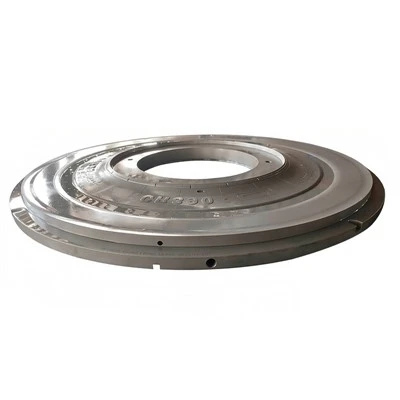
If you’re ready to optimize your special structure mold clamping or have questions about custom tooling that fits your production needs, feel free to connect with our team to discuss your next project.
Special Structure Mold References:
Rosato, D. V., Rosato, M. G. (2004). Injection Molding Handbook. Springer.
Bralla, J. G. (1998). Design for Manufacturability Handbook. McGraw-Hill.
International Organization for Standardization. (2018). Plastics — Injection Molding of Parts — Part 2: Process Control and Quality Management for High Volume Production. ISO 294-2:2018.
Anhui Varon Mould Co., Ltd.
We are one of the most professional special structure mold manufacturers and suppliers in China, also support customized service. We warmly welcome you to wholesale premium special structure mold made in China here from our factory. If you have any enquiry about cooperation, please feel free to email us.
Address: Anhui Province, Ningguo City, Economic and Technological Development Zone, Heli Industrial Park, Dongcheng Avenue
E-mail: admin@varonmould.com.cn
WebSite: https://www.wanlongmold.com/
