Hey, if you’re here, chances are you’ve had a moment with a thermoplastic hose that stopped working mid-job—maybe a crack popped up during a tough install, a split opened under pressure, or a leak started where you least expected it. I get it, because I sell these things (I mean, I’m on the thermoplastic hose supply team, so I see the panic emails all the time). The first question almost everyone shoots my way is: Can this even be fixed, or do I have to toss the whole thing and buy a new one right now? Thermoplastic Hose
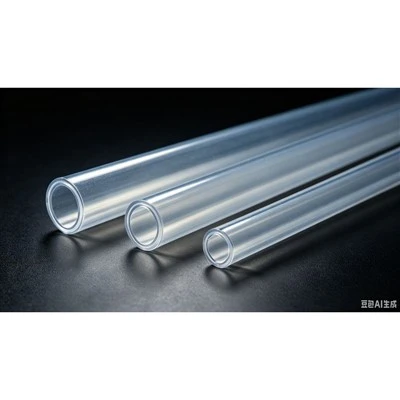
Let’s cut to the chase: It’s not a yes-or-no answer. Thermoplastic hoses aren’t like rubber ones that you can patch with a random rubber repair kit from the hardware store (speaking from experience—we’ve seen customers do that and end up with a mess that blew out an hour later). Their repair depends on a bunch of factors: what kind of plastic they’re made of, how bad the damage is, what pressure they run at, and what environment they’re used in. But before we get into that, let’s back up a little so you know why this stuff even matters.
Thermoplastic hoses are different from regular rubber hoses because they’re made from plastics that melt when heated and harden when cooled—think PVC, polyethylene, nylon, Teflon, stuff like that. That’s the magic (and the limitation) behind them. They’re light, flexible, resistant to chemicals and abrasion, and way cheaper than metal hoses for most jobs. But when they get damaged, that thermoplastic property is both a help and a headache.
First, let’s talk about what kind of damage is actually repairable. I’ve seen customers panic over a tiny scratch on a hose used for water transfer—no big deal, that’s not going to cause a leak. But a 2-inch split along the length of a high-pressure hose used for hydraulic lines? That’s a whole different story. Let’s break down the damage categories:
Minor damage: Small scratches, surface scuffs, or pinholes. These are usually fixable if they’re not deep enough to go all the way through the hose wall. We’re talking about damage that doesn’t affect the pressure rating or structural integrity. For example, if you got a scuff when dragging the hose over a concrete floor, that’s minor. A pinhole from a sharp edge that punctured the wall—if it’s tiny, that’s still in the minor category.
Moderate damage: Small splits, cuts that go partway through the wall, or leaks at a fitting that’s not crimped right. This is where repair starts to get tricky, but it’s doable for some hoses. If you’ve got a split that’s only an inch long, not along a seam or a crimped end, that’s moderate. Leaks at a fitting—if the crimp came loose, that’s fixable too, usually.
Major damage: Large splits, cuts that go all the way through the wall, damage to a crimped end or a reinforced layer, or damage on a hose that runs at really high pressure (like 300+ PSI). This is usually not worth repairing, and we’ll tell you that straight up as a supplier. Trying to fix major damage here is a safety risk—you don’t want a hose blowing out while it’s pumping hydraulic fluid or high-pressure water.
Now, the big part: How do you actually repair a thermoplastic hose? You can’t just grab a tube of super glue (I’ve seen that too—don’t do it). The correct methods depend on the type of plastic the hose is made of, because not all thermoplastics play nice the same way. For example, polyethylene hoses (super common for water, irrigation, mining) can be heated and fused, but Teflon hoses (used for chemicals, high temps) need special adhesives or fittings.
Let’s go over the valid repair methods, based on what I’ve seen our customers use successfully (and the ones we recommend as a supplier):
-
Heat fusion (aka hot plate welding): This is the gold standard for thermoplastic hoses made of polyethylene, polypropylene, or nylon. Here’s how it works: You clean the damaged area, cut out the bad part, make sure the two ends are perfectly aligned, heat them with a hot plate until they get soft and melty, then press them together firmly and let them cool. The result is a weld that’s actually stronger than the original hose, because you’re fusing the same plastic together. We’ve had customers use this for agricultural irrigation hoses all the time—it’s way more reliable than patching. But wait, there’s a catch: You can only do this on straight sections, not on crimped ends or areas with fittings. If the damage is at a fitting, this method doesn’t work.
-
Compression fittings or repair sleeves: This is the go-to for moderate damage on smaller hoses, or if you can’t do heat fusion. For example, if you’ve got a ½-inch nylon hose with a 1-inch split, you can cut out the bad part and use a compression repair sleeve—slide it over both ends, tighten the clamps to squish the sleeve and the hose ends together, and that seals the leak. These work well for hoses that run at lower pressure (under 150 PSI, usually) and are made of thermoplastics that don’t work with heat fusion (like Teflon, or some specialized nylons). The key here is to get the right-sized sleeve for your hose—too small, and it’ll leak; too big, and it’ll slip. We keep these in stock for our customers who want to do on-site repairs.
-
Adhesive bonding (but only the right kind): I said earlier that super glue is bad, but there are special structural adhesives made specifically for thermoplastics. These aren’t the regular household ones—they’re engineered to melt and bond with the plastic surface, creating a strong seal. This works best for tiny pinholes or small surface repairs, not for splits or high-pressure applications. For example, if you’ve got a pinhole in a PVC hose used for garden water, a good thermoplastic adhesive will fix it temporarily, but we still recommend replacing it if the hose is old—adhesives break down over time, especially when exposed to UV or chemicals.
Wait, let’s get real here—there are times when repair is just not worth it, and we won’t try to upsell you on a repair kit if a new hose is the smarter call. When is that? Let’s list the red flags:
- The damage is on a crimped end or a reinforced layer. If the braided steel or fiber inside the hose is exposed or damaged, repairing it won’t fix the structural integrity— that hose is on its way out.
- The hose runs at high pressure (over 250 PSI). Even if you do a perfect repair, there’s a chance it’ll fail under pressure, which can be dangerous—think hydraulic fluid spraying into someone, or a hose whipping around and causing injury.
- The hose is old. Thermoplastics break down over time, especially if they’re exposed to UV light, chemicals, or extreme temps. A repair on a 5-year-old hose is just putting a band-aid on a problem that’s already there.
- The damage is on a seam or a bend. Seams are the weakest part of most thermoplastic hoses, and repairing a split there almost always leads to another leak later.
Now, let’s talk about some common mistakes we see customers make, because these are the things that turn a simple repair into a big headache. First, not cleaning the area before repair. If there’s dirt, oil, or grease on the damage, the heat fusion or adhesive won’t stick—we’ve had customers do a heat fusion on a hose that had mud on the ends, and it split 10 minutes later. Second, using the wrong method for the plastic. If you try to heat fuse a Teflon hose, it’ll release toxic fumes and won’t bond—you need a compression sleeve for that. Third, rushing the cooling process. For heat fusion, you have to let the weld cool completely before putting pressure on the hose—cooling it with water will make it weaker, because it doesn’t set properly. Fourth, overusing repair kits. A lot of hardware stores sell generic thermoplastic repair kits, but they’re made for general use, not for industrial or high-pressure hoses.
As a supplier, we’re not here to tell you to never repair your hose—we’re here to give you the straight facts so you don’t waste time and money on a repair that won’t last. Let me give you a quick example: Last month, a customer reached out to us with a 1-inch polyethylene mining hose that had a 2-inch split along the length. He tried patching it with a rubber repair kit, and it blew out during a rock transfer. We told him that heat fusion would work for that, and he rented a hot fusion tool from a local shop, did the repair, and the hose is still running 3 months later without a leak. Another customer had a Teflon hose for chemical transfer that had a small split at the end; he tried heat fusing it and messed up the plastic, so we sold him a compression repair sleeve made for Teflon, and that’s been working great.
So, what should you do if your thermoplastic hose is damaged? Let’s outline the steps we recommend every customer takes:
- Assess the damage: Is it deep? Is it on a crimped end? How big is it? What pressure does the hose run at?
- Check the hose material: Look at the label (most hoses have it printed on the side) to see if it’s PVC, polyethylene, nylon, Teflon, etc.
- Pick the right repair method based on steps 1 and 2: If it’s minor, use a structural adhesive. If it’s moderate, use a compression sleeve if heat fusion isn’t an option. If it’s straight, low-pressure polyethylene, heat fusion is best.
- If the damage is major (high pressure, crimped end, old hose), replace it. Don’t risk it.
Now, let’s be clear: We know that replacing a hose right away isn’t always feasible. Maybe you’re mid-project, and you can’t afford downtime. Maybe the hose is custom-sized, and a new one won’t come in for a week. That’s when a good repair is the way to go—but only if it’s done right.
One last thing I want to mention: Some people think thermoplastic hose repair is a DIY job, and sometimes it is, but for industrial or high-stakes applications, it’s better to call a pro. We have a team that can do on-site repairs for customers, or we can give you step-by-step instructions over the phone, because we’ve been doing this for years.
At the end of the day, the answer to “Can thermoplastic hoses be repaired if damaged?” is yes—sometimes, but not always. It depends on the damage, the material, and the application. And if you’re not sure, just reach out. We don’t care if you buy a new hose or do the repair yourself—we’ll give you the honest advice, no upselling, no pressure.

If you’ve got a damaged hose and aren’t sure what to do, or if you need help picking the right repair parts, feel free to connect with us to talk through your needs. We’ll help you figure out the best move, whether that’s a quick fix or a new hose to get your project back on track.
Molded Part References:
- Thermoplastic Hose Technology: Properties, Repair, and Applications. Industrial Hose Society, 2021.
- Field Repair Guidelines for Thermoplastic Hoses. National Fluid Power Association, 2020.
- Adhesive Bonding of Thermoplastics: Best Practices for On-Site Repairs. Society of Plastics Engineers, 2019.
- Compression Fitting Performance for Low-Pressure Thermoplastic Hoses. American Water Works Association, 2022.
BESTYIELD Technology (Huizhou) Co., Ltd.
BESTYIELD Technology (Huizhou) Co., Ltd. is one of the most professional thermoplastic hose manufacturers and suppliers in China, featured by quality products and good price. Please rest assured to buy durable thermoplastic hose made in China here and get quotation from our factory. Customized orders are welcome.
Address: Yinshan Industrial Zone, Liangjing Town, Huiyang District, Huizhou City, Guangdong Province
E-mail: rick@bestyield.net
WebSite: https://www.bestyield.org/
