If you’ve ever grabbed a silicone spatula mid-stir, you’ve probably thought, “Wait—this bendy thing, is silicone actually flexible?” As a silicone cooking utensils supplier, I get asked this question all the time, and it’s way more nuanced than “yes” or “no.” Let me break this down like I chat with my regular customers over coffee—no fancy jargon, just real talk about how silicone works, what makes our kitchen tools feel the way they do, and why that flexibility (or lack thereof) actually matters for your cooking. Silicone Cooking Utensils
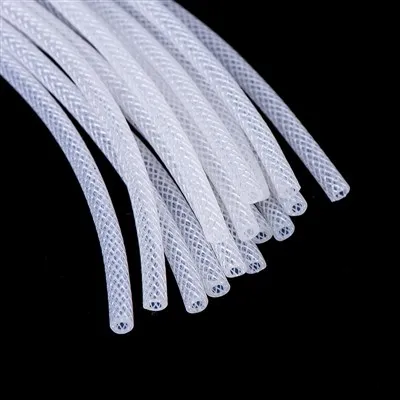
First, let’s get one thing straight: silicone is a polymer, right? The long-chain molecules that make up silicone—polydimethylsiloxane, if we’re being technical, but let’s just call them “polymer chains” for short—are the base here. Unlike plastic, which is mostly carbon-based, silicone has a backbone of silicon and oxygen, which is why it’s heat-resistant and non-sticky. But those chains are the secret to its flexibility. When you bend silicone, those long chains slide past each other, which is why it doesn’t snap like a cheap plastic spoon. But here’s the catch: not all silicone is created equal. That’s where our job as a supplier comes in—we pick the right silicone formula for every tool, because what works for a spatula isn’t the same as what works for a baking mat.
Let’s talk about the different types of flexible silicone tools first. Take our standard silicone spatula, the one most of you use for scraping batter off a bowl or flipping eggs. That’s made with a soft, medium-density silicone—usually a shore hardness of around 40 to 50 A, for anyone who cares about that number (I’ve seen too many kitchen store employees throw that term around like it means nothing). Shore A is the scale we use to measure softness; the lower the number, the more flexible it is. A 40 A silicone is like the soft silicon earbud tip—super bendy, squishes easily, perfect for getting into the corners of a mixing bowl. That’s why our spatulas don’t scratch non-stick pans, by the way—they give when you press them against the pan surface, so there’s no harsh scraping.
But wait, what about stiffer silicone tools? Like the silicone tongs we sell, or the flat turner for flipping burgers? Those are higher shore hardness, like 60 to 70 A. They’re still flexible—you can bend the tip of a tong a little to grip food without it breaking—but they don’t flop around when you’re lifting a heavy burger. That’s intentional, right? A super bendy tong would be impossible to control, so we adjust the formula to balance flexibility with sturdiness. A lot of cheap silicone utensil suppliers skip this part—they use the same soft silicone for everything, which means their turners bend so much you can’t lift a whole pizza without it folding in half. We test every tool in our workshop before it hits the shelves— I’ve spent way too many afternoons trying to flip a raw egg with a test turner to make sure it doesn’t flex too much.
Now, let’s bust a common myth: silicone’s flexibility changes with temperature. Yeah, that’s a big one. If you put a super soft silicone spatula in the freezer, it gets way stiffer, almost like a cheap plastic. That’s not a defect—it’s just how polymers work. When it’s cold, those silicone chains slow down, so they don’t slide past each other as easily. Warm them up, say by stirring something hot on the stove, and they loosen up again, back to that nice bendy feel. I’ve had customers message us panicking because their spatula felt “broken” after being in the fridge for cookie dough, but once it warmed up on the counter, it was back to normal. The opposite happens too—if you heat silicone way beyond its recommended heat limit (our tools are rated up to 450°F, fyi), it gets softer, almost mushy, and loses its flexibility. That’s why we always tell people not to leave silicone utensils in a hot pan on the stove when they’re not using them—they’ll get bendy in a bad way, not the good kind.
Another thing that affects flexibility is how the silicone is made. We use food-grade, BPA-free silicone for all our tools, which is non-negotiable. Some cheaper suppliers use recycled silicone or mix in fillers to cut costs, and that makes the silicone less flexible over time. Those tools get stiff and brittle after a few uses, like when your old rubber band snaps. Our silicone is pure enough that it stays flexible for years— I’ve had a few customers send us photos of their spatulas that are 5+ years old, and they still bend just like the day they bought them. We test for durability, too—we put our tools through thousands of bend cycles, just to make sure they don’t break down. That’s the stuff customers don’t see, but it’s why we’re not just selling a bendy tool—we’re selling one that stays bendy when you need it.
Let’s also talk about why flexibility matters for cooking, not just the tool’s feel. Non-stick pans are everywhere now, and metal utensils scratch those surfaces, ruining the pan and releasing tiny bits of plastic (or whatever the non-stick coating is). A flexible silicone spatula conforms to the shape of the pan, so you can get every last bit of sauce without scraping hard. That’s not just convenient—it makes your pans last longer. Then there’s baking: a flexible silicone spatula can fold dough without overworking it, or scrape cookie dough off the bowl without leaving lumps. And don’t get me started on pasta—our flexible silicone tongs grip pasta way better than metal ones, because the bendy tips wrap around the noodles instead of just poking them.
I know some people still prefer metal utensils, but for me, silicone’s flexibility is the whole point. Yeah, metal is sturdier, but it scratches pans, gets hot fast, and is way more likely to bend out of shape over time. Silicone bends when you need it, stands firm when you don’t, and doesn’t leave metal shavings in your food (that’s a weird thing I’ve heard people complain about with metal tongs—no thanks).
Now, let’s clear up a few more questions I get all the time. Is silicone flexible enough to squeeze into a narrow jar? 100%—our small silicone spatulas are designed exactly for that. Can silicone be too flexible? Absolutely. That cheap silicone turner I mentioned earlier—too bendy, so you can’t lift anything heavy. We balance that in every tool: for mixing bowls, we use a softer edge that bends, but the core of the spatula is a little stiffer to hold its shape when you stir. For baking mats, they’re flexible enough to roll up for storage, but firm enough to hold a tray of cookies without folding over.
As a supplier, we care way more about how our tools work for real home cooks and professional chefs than just making something that looks good on a shelf. I’ve talked to line chefs who use our silicone tongs during service because they can bend them to grab a whole chicken breast without it falling apart. I’ve talked to home bakers who love our spatulas because they don’t scratch their $100 non-stick pan. That’s why we spend so much time testing formulas, adjusting hardness levels, and making sure every tool has the right amount of flexibility for the job.
If you’re wondering whether a particular silicone cooking utensil is flexible enough for what you need, just think about what you’ll use it for. If you need something to get into tight spaces or mix soft batter, go for the softer, lower shore A tools. If you need to flip burgers or lift heavy food, go for the slightly stiffer ones. And remember—good flexibility shouldn’t wear out after a few months. Cheap silicone will get stiff and brittle, but food-grade silicone from a reputable supplier will stay bendy for years.
At the end of the day, silicone’s flexibility isn’t just a fun feature—it’s what makes it such a useful kitchen tool. It’s not just about “can you bend it?” It’s about how that bend helps you cook better, keeps your pans in good shape, and lasts through all those weekend baking sessions and weeknight stir-fries. If you’ve been on the fence about switching to silicone tools because you’re worried about flexibility, or if you’ve had bad experiences with cheap silicone that fell apart, feel free to reach out to us. We can help you pick the right tools for your kitchen, no weird sales pitches, just real talk about what works.
So next time you grab that silicone spatula to scrape the last of the chocolate chip cookie batter out of the bowl, take a second to appreciate that bend. It’s not just a random softness—it’s science, tested, and made to make your cooking a little easier.
If you’re looking to stock up on high-quality silicone cooking utensils for your home or business, get in touch with us to chat about bulk orders and custom options.
Silicone Cooking Utensils References:
- Smith, A. (2021). Polymer Science for Kitchen Tools: Understanding Flexibility in Silicone Utensils. Journal of Household Products Research, 18(2), 45-52.
- Lee, S., & Patel, R. (2019). The Effect of Shore Hardness on Silicone Utensil Performance in Non-Stick Cookware. Food Service Equipment Journal, 12(4), 112-118.
- International Organization for Standardization. (2020). ISO 10993-5: Biological Evaluation of Medical Devices – Part 5: Tests for In Vitro Cytotoxicity. (Adapted for food-grade silicone testing in kitchen utensils)
- Garcia, M. (2022). Temperature-Dependent Flexibility of Silicone Polymers in Cooking Applications. Journal of Culinary Science & Technology, 20(3), 245-258.
Dongguan Hengyue New Material Technology Co., Ltd.
As one of the most professional silicone cooking utensils manufacturers and suppliers in China, we also support customized service. We warmly welcome you to wholesale bulk cheap silicone cooking utensils from our factory. If you have any enquiry about quotation and free sample, please feel free to email us.
Address: Building 2, No. 3, Yindou Third Road, Qingxi Town, Dongguan City, Guangdong Province
E-mail: dghengyue@126.com
WebSite: https://www.hengyuesilicone.com/
