As a supplier of mechanical water meters, I’ve witnessed firsthand the essential interplay between these meters and water pumps in various settings. This interaction is not only fascinating from a technical perspective but also crucial for the efficient management and monitoring of water systems. Mechanical Water Meter

Understanding the Basics: Mechanical Water Meters and Water Pumps
Before delving into their interaction, let’s briefly understand what mechanical water meters and water pumps are. A mechanical water meter is a device designed to measure the volume of water passing through a pipe. It typically consists of a chamber with rotating components, such as a turbine or a piston, that are driven by the flow of water. As water moves through the meter, these components rotate, and the rotation is translated into a measurement of the water volume, usually displayed in cubic meters or gallons.
On the other hand, a water pump is a machine used to move water from one place to another. It can be powered by electricity, diesel, or other energy sources and is capable of increasing the pressure of the water, allowing it to flow through pipes and reach higher elevations or greater distances. Water pumps are used in a wide range of applications, from domestic water supply systems to large – scale industrial and agricultural operations.
The Initial Interaction: Installation and Calibration
The interaction between a mechanical water meter and a water pump begins at the installation stage. When installing a water pump in a system, it’s essential to position the mechanical water meter correctly. The meter should be installed downstream of the pump, in a section of the pipe where the water flow is relatively stable. This ensures that the meter can accurately measure the volume of water being pumped.
During installation, the water meter also needs to be calibrated. Calibration is the process of adjusting the meter to ensure its accuracy. This is crucial because any inaccuracies in the meter reading can lead to incorrect billing or inaccurate monitoring of water usage. The calibration process may involve comparing the meter’s readings with a reference standard and making adjustments to the meter’s internal components if necessary. The water pump can play a role in this calibration. By running the pump at a known flow rate, technicians can use the water flow generated by the pump to test and calibrate the mechanical water meter.
Real – Time Interaction: Measuring Water Flow
Once the water pump and the mechanical water meter are installed and calibrated, they work together in real – time to measure the water flow. As the water pump starts to operate, it creates a flow of water through the pipes. The mechanical water meter, being in the path of this water flow, measures the volume of water passing through it.
The design of the mechanical water meter allows it to respond to different flow rates. At low flow rates, the rotating components in the meter may turn slowly, while at high flow rates, they rotate more rapidly. The meter’s internal mechanism is designed to accurately translate these rotational speeds into volume measurements. For example, in a turbine – type mechanical water meter, the water flow causes the turbine to rotate, and the number of rotations is proportional to the volume of water that has passed through the meter.
This real – time measurement of water flow is essential for various reasons. In a domestic setting, it allows homeowners to monitor their water usage and manage their water bills. In an industrial or agricultural context, it helps in process control and resource management. For instance, in an irrigation system, the water pump supplies water to the fields, and the mechanical water meter measures the amount of water being used. This information can be used to optimize irrigation schedules, ensuring that crops receive the right amount of water without wasting resources.
Impact of Pump Performance on Meter Readings
The performance of the water pump can have a significant impact on the readings of the mechanical water meter. A well – functioning pump that provides a steady and consistent flow of water will allow the meter to provide accurate readings. However, if the pump has issues such as cavitation, which is the formation and collapse of vapor bubbles in the water due to low pressure, it can cause fluctuations in the water flow. These fluctuations can make it challenging for the mechanical water meter to accurately measure the water volume, leading to inconsistent or inaccurate readings.
Similarly, if the pump is operating at a flow rate that is outside the meter’s specified range, it can also affect the meter’s accuracy. Most mechanical water meters are designed to operate within a certain range of flow rates. If the pump is pumping water at a rate that is too high or too low for the meter, the meter may not be able to measure the flow accurately. For example, if the flow rate is too low, the rotating components in the meter may not turn at all, resulting in a zero reading even though there is some water flow.
Monitoring and Maintenance
The interaction between the mechanical water meter and the water pump also extends to the monitoring and maintenance of the water system. The water meter can provide valuable information about the pump’s performance. By regularly analyzing the meter readings, users can detect any abnormalities in the water flow. For example, a sudden increase in the meter readings may indicate a leak in the system or a problem with the pump that is causing it to pump more water than normal.
Conversely, the pump’s performance can also affect the lifespan and accuracy of the water meter. A pump that generates excessive vibrations or pressure surges can damage the internal components of the meter over time. Therefore, regular maintenance of both the pump and the meter is essential. This includes checking the pump for any mechanical issues, such as worn – out bearings or seals, and ensuring that the meter is clean and free from debris.
Applications in Different Industries
The interaction between mechanical water meters and water pumps is crucial in various industries. In the manufacturing industry, water pumps are used to supply water for cooling processes, and mechanical water meters are used to measure the amount of water consumed. This information is used for cost – accounting purposes and to ensure that the cooling systems are operating efficiently.
In the agricultural industry, water pumps are used for irrigation, and mechanical water meters help farmers manage their water resources effectively. By accurately measuring the water used for irrigation, farmers can ensure that their crops receive the optimal amount of water, which can improve crop yields and reduce water waste.
In the municipal water supply system, water pumps are used to transport water from treatment plants to consumers’ homes and businesses. Mechanical water meters are installed at each point of consumption to measure the water usage, which is then used for billing purposes. The accurate measurement of water usage is essential for the financial sustainability of the municipal water supply system.
Conclusion
In conclusion, the interaction between a mechanical water meter and a water pump is a complex and vital aspect of water management systems. From the initial installation and calibration to real – time measurement and monitoring, these two components work together to ensure the efficient and accurate management of water resources.
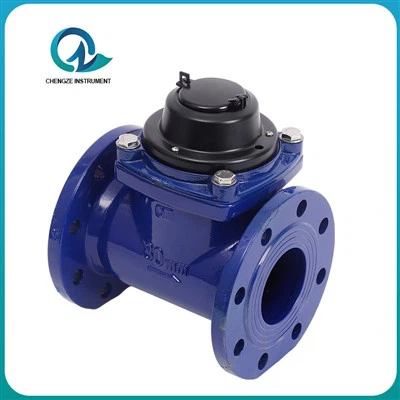
As a mechanical water meter supplier, I understand the importance of this interaction and am committed to providing high – quality meters that can work effectively with a wide range of water pumps. Our meters are designed to be accurate, reliable, and durable, ensuring that they can provide accurate measurements even in challenging operating conditions.
Smart IC Card Water Meter If you are in the market for a mechanical water meter for your water system, regardless of whether it’s for domestic, industrial, or agricultural use, I encourage you to reach out for a procurement discussion. We can offer you professional advice on the selection of the right meter for your specific needs and ensure a seamless integration with your water pump system.
References
- "Water Metering Handbook" by the American Water Works Association
- "Pump Handbook" by Igor J. Karassik et al.
- Technical documents from leading water pump and meter manufacturers.
Shandong Chengze Instrument Co., Ltd.
We’re well-known as one of the leading mechanical water meter manufacturers in China, featured by quality products and good service. Please rest assured to buy high-grade mechanical water meter for sale here from our factory. Also, customized service is available.
Address: No.7, Wensi Road North Industrial Park, Liguan Town, Lanshan District, Linyi City, Shandong Province, China
E-mail: czwatermeter@163.com
WebSite: https://www.cz-watermeter.com/
