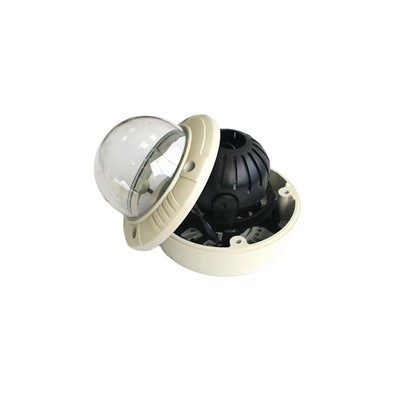
As a supplier of die casting parts, I’ve witnessed firsthand the crucial role these components play in various industries, especially the power generation sector. Die casting is a manufacturing process that involves forcing molten metal under high pressure into a mold cavity. This results in parts with high precision, excellent surface finish, and the ability to produce complex shapes efficiently. In the power generation industry, die casting parts are used in a wide range of applications, from traditional fossil – fuel power plants to renewable energy systems. Die Casting Parts
Applications in Fossil – Fuel Power Plants
In fossil – fuel power plants, which include coal – fired, gas – fired, and oil – fired power plants, die casting parts are used in multiple critical systems.
Turbine Systems
Turbines are the heart of fossil – fuel power plants. They convert the thermal energy of steam or gas into mechanical energy, which is then used to generate electricity. Die casting parts are used in turbine blades, casings, and other components. For turbine blades, die casting can produce blades with precise aerodynamic shapes. The high – pressure die – casting process ensures that the blades have a uniform structure and excellent mechanical properties, which are essential for efficient energy conversion. The casings of turbines also benefit from die casting. Die – cast casings can be designed to have complex internal geometries to optimize the flow of steam or gas, reducing energy losses and improving overall turbine efficiency.
Boiler Systems
Boilers are used to generate steam in coal – fired and oil – fired power plants. Die casting parts are used in boiler components such as valves, fittings, and burner parts. Valves made through die casting can have precise dimensions and tight sealing properties. This is crucial for controlling the flow of water, steam, and fuel in the boiler system. Fittings, such as elbows and tees, need to be strong and leak – proof. Die casting allows for the production of these fittings with high quality and reliability. Burner parts, which are responsible for the efficient combustion of fuel, also rely on die casting to achieve the required precision and durability.
Auxiliary Systems
Fossil – fuel power plants have numerous auxiliary systems, such as cooling systems and lubrication systems. Die casting parts are used in pumps, heat exchangers, and other components of these systems. Pumps require parts with high strength and corrosion resistance. Die – cast pump impellers and housings can meet these requirements. Heat exchangers need parts with good thermal conductivity and a precise design to ensure efficient heat transfer. Die casting can produce heat exchanger fins and tubes with the necessary properties.
Applications in Nuclear Power Plants
Nuclear power plants also rely on die casting parts for various applications.
Reactor Core Components
Although the most critical parts of the reactor core are made from specialized materials, some auxiliary components can be die – cast. For example, certain types of sensors and support structures in the reactor core can be produced using die casting. These parts need to be able to withstand high temperatures, radiation, and pressure. Die casting allows for the use of materials that can meet these harsh environmental conditions, and the precision of the process ensures that the parts fit perfectly into the reactor system.
Cooling and Containment Systems
Nuclear power plants have extensive cooling and containment systems to ensure the safe operation of the reactor. Die casting parts are used in pumps, valves, and pipes in these systems. Pumps are used to circulate coolant, and die – cast pump components can provide reliable performance. Valves are crucial for controlling the flow of coolant and other fluids, and die – cast valves can have high – quality sealing and flow – control capabilities. Pipes made through die casting can be designed to have the appropriate strength and corrosion resistance for the nuclear environment.
Applications in Renewable Energy Systems
Renewable energy sources, such as wind, solar, and hydroelectric power, are becoming increasingly important in the global energy mix. Die casting parts also have significant applications in these sectors.
Wind Power
In wind turbines, die casting parts are used in the nacelle, hub, and gearbox. The nacelle houses the generator, gearbox, and other critical components. Die – cast nacelle housings can provide protection from the elements and have a lightweight yet strong design. The hub, which connects the blades to the main shaft, also benefits from die casting. Die – cast hubs can be designed to have a precise shape and high strength to withstand the forces exerted by the rotating blades. Gearboxes in wind turbines require high – precision parts. Die casting can produce gears, shafts, and housings with the necessary accuracy and durability.
Solar Power
Solar power systems use die casting parts in mounting structures, tracking systems, and inverters. Mounting structures need to be strong and durable to support the solar panels. Die – cast mounting brackets and frames can provide the required stability. Tracking systems, which adjust the position of the solar panels to follow the sun, use die – cast gears, bearings, and actuators. These parts need to be precise and reliable to ensure optimal energy capture. Inverters, which convert the DC power generated by the solar panels into AC power, also use die – cast heat sinks and enclosures. Heat sinks made through die casting can efficiently dissipate heat, improving the performance and lifespan of the inverter.
Hydroelectric Power
Hydroelectric power plants use die casting parts in turbines, generators, and control systems. Turbine blades and casings in hydroelectric turbines can be die – cast to achieve the required precision and efficiency. Generators require high – quality components, and die casting can produce parts such as rotors and stators with excellent electrical and mechanical properties. Control systems in hydroelectric plants use valves, sensors, and actuators made through die casting. These parts need to be reliable and responsive to ensure the safe and efficient operation of the power plant.
Advantages of Using Die Casting Parts in the Power Generation Industry
One of the main advantages of using die casting parts in the power generation industry is the high precision and repeatability of the process. Power generation systems require components with tight tolerances to ensure efficient operation. Die casting can produce parts with dimensions that are accurate to within a few thousandths of an inch, which is crucial for the proper functioning of turbines, pumps, and other equipment.
Another advantage is the excellent surface finish of die – cast parts. A smooth surface finish reduces friction and wear, which is important for components that are in contact with fluids or moving parts. This can improve the efficiency and lifespan of the equipment.
Die casting also allows for the use of a wide range of materials. In the power generation industry, different components require different material properties. For example, parts that are exposed to high temperatures need to be made from heat – resistant materials, while parts that are in contact with corrosive fluids need to be made from corrosion – resistant materials. Die casting can accommodate these requirements by using materials such as aluminum, zinc, and magnesium alloys.
Why Choose Our Die Casting Parts
As a die casting parts supplier, we offer several unique advantages. Our manufacturing process is highly automated, which ensures consistent quality and high production efficiency. We have a team of experienced engineers who can work with you to design and develop die casting parts that meet your specific requirements. Whether you need a simple component or a complex part with intricate geometries, we have the expertise and technology to deliver.
We also have strict quality control measures in place. Every die – cast part goes through a series of inspections to ensure that it meets the highest standards. We use advanced testing equipment to check for dimensional accuracy, material properties, and surface finish.
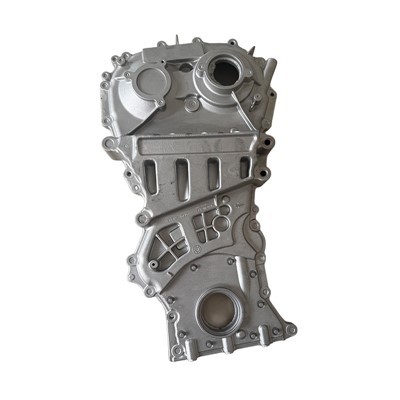
In addition, we offer competitive pricing. We understand the cost – sensitive nature of the power generation industry, and we strive to provide high – quality die casting parts at a reasonable price. Our efficient manufacturing process and economies of scale allow us to keep our costs down without compromising on quality.
Die Casting Parts If you are in the power generation industry and are looking for reliable die casting parts, we would be more than happy to discuss your needs. Whether you are building a new power plant or upgrading an existing one, our die casting parts can provide the performance and reliability you require. Please feel free to reach out to us for a quote or to discuss your project in more detail. We look forward to the opportunity to work with you and contribute to the success of your power generation projects.
References
- ASM Handbook, Volume 15: Casting. ASM International.
- Die Casting Engineering Handbook. Society of Die Casting Engineers.
- Power Generation Technology: Principles, Design, and Operation. John Wiley & Sons.
Suzhou Ruide Die-Casting Mold Co., Ltd.
As one of the leading die casting parts manufacturers and suppliers in China, we warmly welcome you to buy durable die casting parts made in China here from our factory. All customized products are with high quality and competitive price. Contact us for pricelist.
Address: No.2, Wanchen Road, Huayang Village, Wangting Town, Xiangcheng District, Suzhou City, Jiangsu Province
E-mail: jada@cnrdmj.com.cn
WebSite: https://www.cnrdmold.com/
