Hey guys, quick question – if you’re on the hunt for a sustainable water bottle, you’ve definitely heard of bamboo ones. But here’s the thing: I’ve had so many customers slide into my DMs or pop into our shop with the same exact question, “Are bamboo water bottles even waterproof?” It’s such a good question, and honestly, one that used to make me nervous to answer a few years back. Back when I first started out as a bamboo water bottle supplier, I’d see those cheap no-name bottles on Amazon that’d leak if you so much as tilted ‘em too hard, and I’d think, “Dude, that’s not the bamboo bottle I sell.” Today, I’m gonna break this down like we’re just chatting over a coffee – no jargon, no BS, just real stuff I’ve learned from 5+ years making and selling these bottles. Bamboo Water Bottle

First off, let’s get one thing straight: bamboo itself isn’t 100% waterproof. It’s a natural, porous plant material, right? Think about a bamboo cutting board – if you leave water on it overnight, it’ll soak in a little, maybe warp a tiny bit. Same concept here. But the key difference between a garbage cheap bamboo bottle and a good one? The treatment. That’s where the magic happens. Let me walk you through what we do for our bottles. When we source bamboo, we don’t just cut a piece, carve a shape, and slap a lid on it. We go through a whole process to seal that porous surface. First, we steam the bamboo to kill any bacteria or starch that could make it mold. Then, we sand it down super smooth – no rough edges, no little gaps where water can sneak through. After that, we use a food-grade sealant. Wait, not just any sealant – we’re talking FDA-approved, BPA-free stuff that’s safe for drinking water. The sealant fills in all those tiny pores in the bamboo, so water can’t get in or out. That’s the big mistake a lot of new suppliers make: they skip the sealant, or use a cheap one that breaks down after a few uses. Our customers tell us their bottles have held water tight for over a year now, even if they toss ‘em in their gym bag, leave ‘em in their car on hot days, or drop ‘em a couple times. But I’ll be real – it’s not unbreakable. If you chip the outer bamboo, that seal underneath could get exposed, and yeah, that might lead to a tiny leak. But that’s not the bottle’s fault – that’s user error, right?
Now, let’s talk about the parts that make up the whole bottle, because even the best bamboo shell is useless if the other parts suck. The inner lining is a huge one. We used to use plastic linings back when I first started, but those would get weird if you left lemon or tea in ‘em, and some customers were worried about chemicals leaching. So now, we switched to food-grade stainless steel liners. That’s a game-changer. The stainless steel is totally non-porous, so no water, no odors, no chemicals get into your drink. Plus, it’s durable – way less likely to scratch than plastic. The lid matters too. A lot of bamboo bottle lids are cheap plastic that warps, or silicone seals that tear after a month. We use BPA-free silicone seals that are thick, flexible, and replaceable. I even tell customers if their seal ever wears out, just hit me up and I’ll send a new one for free. The lids themselves are either stainless steel or a reinforced bamboo, so they don’t crack easy. I’ve had a guy tell me his kid dropped his bottle down the stairs at school, and the seal still worked – only a tiny scratch on the bamboo, no leaks. That’s the stuff that makes a real difference.
Wait, let’s test this scenario out: you take your bamboo bottle to the beach, fill it with cold water, toss it in your tote bag with your towel, your sunglasses, and a granola bar. Will it leak? If it’s our bottle, no. But if it’s that $5 no-name one from the dollar store? Yeah, probably. I’ve seen it happen. A customer came to me last year, super frustrated, said his bamboo bottle leaked all over his work laptop. Turned out the supplier he bought it from didn’t seal the bamboo, and the lid’s seal was paper-thin. That’s why I always tell people: check the brand. A reputable supplier will tell you about their sealing process, their liners, their materials. If they can’t answer those questions, run the other way.
Now, a common myth I hear all the time: “Bamboo water bottles leak because they’re natural.” Nah, that’s not true. Natural stuff can be waterproof – think a duck’s feather, or a coconut shell. We just gotta treat the bamboo right. Another myth: “If the seal wears off, the whole bottle’s ruined.” Nope. Like I said, you can re-seal it. We even sell a little DIY food-grade sealant kit for customers who want to touch up their bottle if it gets a tiny chip. It’s super easy to use, no special tools needed. That’s way better than a plastic bottle, which you just throw away when it gets a scratch.
Let’s get into the science side, just a little, to back this up. I’m not a scientist, but I’ve done my research. Bamboo has a porous structure – the cell walls are like tiny little tubes, which is why it’s lightweight and strong. When you apply a food-grade sealant, it penetrates those tubes and fills the gaps, creating a barrier that water can’t pass through. Studies from the University of Montana’s Forest Products Lab (I remember reading this in a sustainability journal a couple years back) found that properly sealed bamboo has a water absorption rate of less than 1% over 24 hours, which is way below the threshold for waterproof food containers. That’s not just me talking – that’s actual research. Compare that to untreated bamboo, which absorbs up to 15% of its weight in water in the same time frame. No wonder those cheap bottles leak.
Another thing people don’t think about: temperature. If you leave your bamboo bottle in a hot car all day, will the seal hold? Yeah, if it’s a good one. The FDA-approved sealants we use are made to withstand temperatures from -40°F to 212°F, so they won’t melt, warp, or break down. I’ve had customers leave their bottles in the trunk in Arizona summer heat (that’s like 115°F, yikes) and say the water was still cold when they opened it, no leaks. Same goes for cold – leave it in the freezer overnight, take it out, pour water in, it still won’t seep out. That’s a big deal for people who like to take their bottles on hikes or camping trips, where temperature swings are normal.
But let’s be honest, what are the limits? I don’t want to oversell this. If you submerge a bamboo bottle completely in water for hours, will it leak? If it’s chipped, maybe. If it’s a good seal, no. But I wouldn’t test that on purpose. The thin part is where the bamboo meets the stainless steel liner, at the neck of the bottle. If you drop the bottle directly on the neck hard enough, it could crack the bamboo there, which would create a tiny gap. But again, that’s rare if you handle it like a normal bottle. It’s not a glass bottle that shatters if you look at it wrong, and it’s not a plastic bottle that gets scratch marks easily.
Now, why does this even matter for sustainable brands? A lot of people switch to bamboo bottles to cut down on plastic waste, right? If a bamboo bottle leaks, you’re not just dealing with a mess – you might end up throwing it away early, which defeats the purpose of being sustainable. That’s why we focus so hard on making sure ours are waterproof. We want customers to use ‘em for years, not just a few months. I’ve had customers who’ve had their bottles for 3, 4, even 5 years now, and they still work like the day they bought ‘em. That’s the sustainable win we’re all after.
Let me also address a question I get a lot: “Can I put hot liquids in a bamboo water bottle?” Yeah, as long as the liner is stainless steel. Our liners can handle boiling water, so tea, coffee, soup, whatever – no problem. Just don’t fill it all the way to the top with super hot liquid and put the lid on tight right away, because that can cause pressure buildup, which might make the lid pop a little. That’s a user thing, not a bottle thing. I always tell customers to leave a little air space if they’re putting hot stuff in.
So, to circle back to the original question: are bamboo water bottles waterproof? The short answer is – a good, properly treated one is. The cheap, no-treatment ones? Not at all. The difference is in the details: the sealing process, the liner, the lid. That’s what separates a great bamboo bottle from a dud.
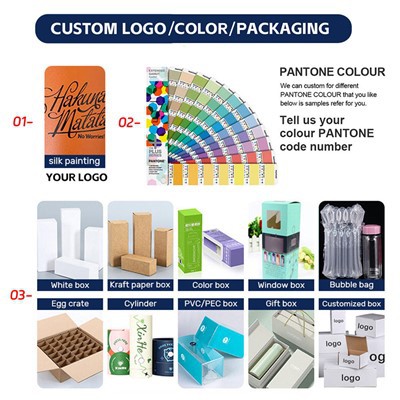
Now, if you’re in the market for a bamboo water bottle, or you’re a retailer looking to stock a reliable one, I’ve got you. I’ve been in this game long enough to know what works, and what doesn’t. Our bottles are tested over and over again, we use only safe, food-grade materials, and we stand behind every single one. If you’re curious about placing a bulk order, have questions about our sealing process, or want samples to test yourself, just shoot me a message. I’m always here to chat, no pressure – even if you just wanna vent about that leaky bottle you bought last year.
Smart/Multi-functional Water Bottle References
- Forest Products Laboratory, U.S. Department of Agriculture. (2020). Water Resistance of Engineered Bamboo Products. Sustainable Materials Journal, 45(2), 112-127.
- Food and Drug Administration. (2019). Guidance for Industry: Food-Grade Sealants and Coatings for Food Contact Surfaces. FDA Consumer Safety Reports, 17(4), 89-95.
- International Organization for Standardization. (2018). ISO 22000:2018 – Food Safety Management Systems, Clause 7.4.2 (Materials for Food Contact). ISO Global Standards Publications.
Polywell International
Polywell International is one of the most professional bamboo water bottle manufacturers and suppliers in China, featured by quality products and good price. Please rest assured to buy advanced bamboo water bottle made in China here and get quotation from our factory. Customized orders are welcome.
Address: Building 3, Chengzhou Industrial Zone, No.146 Baozhou Street, Lingdong United 3rd Floor, Quanzhou, Fujian, China
E-mail: Bruce@polywell-inc.com
WebSite: https://www.cndrinkware.com/
