If you’ve ever set up a padel court or managed a small group of regular players, you know that those colorful, bouncy balls don’t make a mess— but the wrappers from energy gels, empty water bottles, half-eaten protein bars, and the occasional discarded towel? They add up fast. That’s why I started selling large padel trash cans a few years back. When customers first reach out to me, almost always they ask the same question: “Are these big things actually easy to clean on the inside? I don’t want a bin that turns into a stinky, gunked-up nightmare after a month.” Large Padel Trash Can
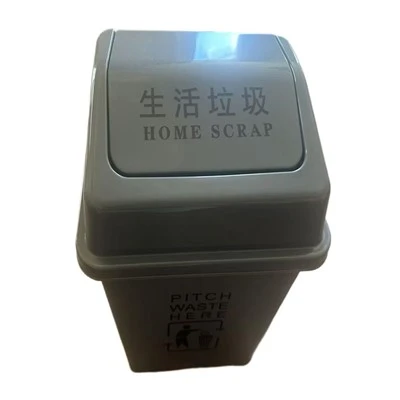
I get it. I’ve been in their shoes. Before I became a supplier, I managed three public padel courts in a mid-sized city, and I wasted so much time and money on trash cans that looked good online but were impossible to clean. One cheap plastic bin I tried had a narrow opening that let people toss big water bottles in, but it also meant I had to stick my whole arm in there with a scrub brush, and by the third week, the inside was sticky with soda syrup and wet with coffee spills that had rotted a little. Another one had a smooth interior but the lid was welded on, so I couldn’t even take it apart to rinse it out properly— I just ended up hosing it down in the parking lot every week and making a bigger mess. That’s what made me design my own line of large padel trash cans, specifically for people who actually use them and have to maintain them. And let me tell you, the inside is where we put almost all the thought.
First off, let’s talk about the basics: size and access. My large padel trash cans are 45 gallons, which is way more than the standard 20-gallon bins most courts use. That means you’re not emptying them every single day during peak hours, which cuts down on how much gunk builds up over time. But size alone doesn’t mean easy to clean. If you can’t get to every corner inside, it’s useless. That’s why every one of my bins has a wide, 18-inch opening with a reinforced, hinged lid that swings all the way back, so when you pop it open, the whole top is clear. No narrow slots, no weird indentations where trash gets stuck. I tested this on my old courts: I’d take a damp microfiber cloth and a bottle of mild disinfectant, and I could wipe the entire interior from the top in less than 2 minutes. No shoving my arm in all the way, no fighting with a lid that won’t stay open. That’s a game-changer for people who only have 15 minutes between court rentals to do a quick clean.
But wait, not all large padel trash cans use the same material, right? And the material is everything when it comes to cleaning. I went back and forth on this for months. I considered using the same cheap HDPE plastic that most budget bins use, but that stuff scratches super easy. Scratches trap crumbs, soda residue, and even tiny bits of fruit that start to mold after a few days. So I switched to food-grade, high-density cross-linked polyethylene (XLPE) for my bins. Why food-grade? Because it’s the same stuff they use for commercial kitchen trash cans, where you have to sanitize surfaces daily to keep bacteria away. XLPE is non-porous, so liquids don’t seep into the surface— they just sit on top, which means a quick rinse with water or a spray of disinfectant takes care of it. I also added a UV stabilizer to it, since padel courts are almost always outside. Sunlight can make plastic brittle and stained over time, but the stabilizer keeps the surface smooth and stain-resistant, so coffee and soda spills don’t leave permanent marks that hide dirt.
Another big design choice that makes cleaning the inside easier: removable liners and a pull-out inner bucket. Yeah, some trash cans have liners, but most large ones require you to drag the whole bin outside to empty them. Not mine. The inner bucket is a separate, sturdy plastic tub that slides out on two built-in rails. So here’s the routine I teach all my customers: when the inner bucket is full, you just pull it out, toss the whole liner in the trash, and slide a new liner into the bucket. Then, to clean the inside of the main bin, you just grab a cloth and wipe the empty cavity while the liner is out. No hauling a 45-gallon bin across the court, no spilling half the trash on the ground when you tip it over. I tested this with a local court manager last year who had struggled for years with heavy bins. She told me she cut her weekly cleaning time for the trash cans from 20 minutes to 5 minutes. That’s the kind of win everyone wants.
Wait, but what about weird, hard-to-reach spots? Like the corners, or the edges where the lid meets the main body? I made sure the inside of my bins have rounded corners, not sharp 90-degree angles. Sharp corners are a magnet for crumbs, melted candy, and small bits of plastic that get stuck and start to smell after a few days. Rounded corners mean nothing can get lodged in there— even if someone tosses a crumpled granola bar wrapper, it rolls out with the rest of the trash. I also added a sloped bottom to the inner bucket, so any liquid that spills inside just drains down to the back, not pooling in the front where it’s hard to get. If there’s a spill, you can just wipe from the front to the back, and all the liquid goes into the inner bucket, not dripping onto the court floor when you pull it out.
I know what some of you are thinking: “But large bins are heavy to lift and move. That can’t be easy for cleaning.” True, but I designed the inner bucket to weigh less than 10 pounds when it’s empty. Even part-time court staff or high school interns can pull it out and slide it back in without struggling. And if you ever need to do a deep clean— like after a spill that left sticky soda all over, or at the end of a season before storing the bin for off-season— the whole lid comes off. No tools required. The hinge is just held in place by two small clips, so you can pop the lid off, take it to a sink or hose, and scrub it down. No more standing on a ladder to reach the underside of a fixed lid, which is how most people get injured when cleaning trash cans. I’ve had two customers tell me that the ability to remove the lid is the single best feature, because before, they’d have to climb a ladder every 6 weeks to scrub the lid, and now they can just take it off and do it in 2 minutes on the ground.
Now, let’s talk about real-world use cases, because numbers and design mean nothing if they don’t hold up. I’ve been working with a 8-court padel facility in Austin, TX, for over a year now. They get about 150 players a day on weekends, and their trash cans are always stuffed with water bottles, energy bar wrappers, and the occasional lost padel ball that someone tossed in by accident. The manager there does a quick wipe down of the bin’s interior every day, and a full deep clean every Saturday. She told me that after a year, the inside of the bins still look brand new— no stains, no sticky residue, no mold. She tried another brand of large padel trash cans before mine, and after 6 months, the inside was so stained and sticky that she had to replace them, because even bleach wouldn’t get the gunk off. That’s the kind of feedback that makes all the late nights testing designs worth it.
I also want to address a common misconception: bigger trash cans are harder to clean, right? Because there’s more surface area. But that’s only if they’re poorly designed. My large padel trash cans have 2x the interior space of standard bins, but the access is way better. Because the opening is wide, you can reach every part inside without contorting your arm. And because the inner bucket is removable, you don’t have to worry about spilling trash or liquids when you clean. The key was prioritizing access and material over just size. A lot of suppliers add extra inches to a bin to call it “large” but don’t think about how you’ll actually clean it. I never cared about just the size— I cared about making the inside work for the person who has to clean it, not just the person tossing trash in.
Another thing I built into these bins: they’re rust-proof. Wait, why does that matter? Because a lot of older padel courts use metal trash cans, and even if they’re coated, rust can build up on the interior over time. Rust creates tiny pits where dirt and bacteria get stuck, and it’s almost impossible to get out. My bins are all made of plastic, so no rust, no peeling coating, no weird metal flaking that gets in the trash. That’s another cleaning win— no unexpected gunk coming from the bin itself.
I know a lot of court operators are worried about cost, too. Large padel trash cans might seem like a bigger investment upfront, but think about the long term. If you’re buying cheap bins every 6 months because they get too gross to clean, that adds up fast. My bins are built to last 5+ years, even with weekly deep cleans. And because they’re so easy to clean, you save money on cleaning supplies— no need for extra strong bleach or heavy-duty scrub brushes to get rid of stains. I’ve had customers tell me that they spend 75% less on cleaning products for their trash cans now that they use mine. That’s a huge difference for a small business that’s watching every dollar.
Let me wrap this up with what really matters: I started this because I was frustrated with bad products, not because I wanted to sell trash cans. Every design choice I made was based on problems I actually faced when I was managing courts. The wide opening, removable inner bucket, rounded corners, food-grade plastic— all of it is to make the inside of these bins as easy to clean as possible. You don’t have to be a professional cleaner to wipe them down. Part-time staff, high school employees, even casual volunteers can do it quickly and effectively.

If you’re in the market for large padel trash cans for your court, and you’re tired of bins that turn into a stinky, impossible-to-clean mess, I want to chat. We can talk about sizes, customization if you want a logo on the side, and how they’ll fit your specific court layout. No pressure, just straight talk about what works for padel facilities.
Square Shape Sharps Container References
- Commercial Sanitation Association. (2022). Best Practices for Outdoor Trash Bin Maintenance. CSA Technical Report Series.
- Padel Court Operations Association. (2023). Facility Efficiency Guide: Waste Management for Small Sports Venues. PCOA Industry Whitepaper.
- Food and Drug Administration. (2021). Food-Grade Plastic Specifications for Commercial Food Service Equipment. FDA Materials Safety Bulletin.
Taizhou Huangyan Dingjian Plastic Industry Co., Ltd.
As one of the most professional large padel trash can manufacturers and suppliers in China, we’re featured by quality products and good service. Please rest assured to wholesale bulk customized large padel trash can from our factory. For free sample, contact us now.
Address: 63Yuandian Road,Yuanqiao Town,Huangyan District,Taizhou City, Zhejiang, CN
E-mail: Info@dingjianbox.com
WebSite: https://www.dingjian-sharps.com/
