If you’re in the market for high tonnage hydraulic cylinders, you already know these bad boys are the backbone of heavy lifting—think construction, mining, manufacturing, even aerospace. But here’s the thing: buying a top-tier cylinder from a reputable supplier like us is just half the battle. The real magic happens when you keep that sucker running smoothly, no breakdowns mid-job, no last-minute headaches that cost you thousands in downtime. I’ve been in the hydraulic game for 12 years, building these cylinders day in and day out, and fielding calls from guys who burned out a cylinder because they skipped a few key steps. Today, I’m breaking down exactly how you can ensure your high tonnage cylinder keeps cranking for years—no fluff, no jargon that makes your eyes cross, just real, actionable stuff I’ve learned on the job. High Tonnage Hydraulic Cylinder
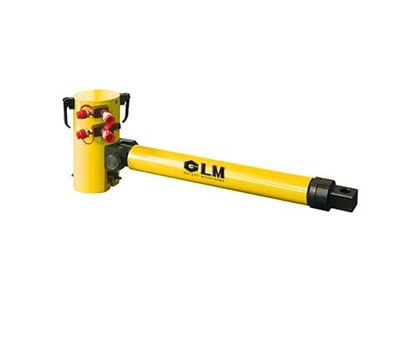
First off, let’s get one thing straight: high tonnage cylinders aren’t your garden-variety hydraulic jack. These things push 100 tons and up, so every component has to work in perfect sync. Start with the basics you probably already heard but definitely need to nail: regular inspections—but not the lazy “quick once a month” inspections. Wait till you see a lot of guys do that, they walk by the cylinder, do a 10-second glance, and call it good. Nah, we’re talking deep dives every 500 operating hours, plus a pre-use check before every big lift. Let’s break that pre-use down first because it’s non-negotiable.
Pre-use checks are the first line of defense. Before you fire that cylinder up, give the whole setup a once-over. First, look at the rod— that’s the shiny metal stick that extends out, right? If there’s any scratch, dent, or rust there, that’s a red flag. Even a tiny scratch can tear up the seals inside, which leads to leaks and lost pressure. I’ve seen a customer skip this once, and a 0.5mm scratch on the rod turned into a leak that cost him a $20,000 part and 3 days of a construction job. Easy fix: grab a clean, lint-free cloth (no rags that leave fuzz!) and run it along the rod. If it catches on a bump, you’ve got a spot to fix. Also, check the mounting points— make sure the bolts aren’t loose, no cracks in the cylinder body, and all the hoses connected to it are free of kinks, abrasions, or bulges. Kinks in hoses restrict flow, and bulges mean the hose is about to burst. Don’t ignore that.
Next, the hydraulic fluid— this is the lifeblood of your cylinder, and way too many people just top it off and forget about it. High tonnage cylinders run hot, especially when you’re pushing them to the max, so the fluid has to be clean, at the right viscosity, and changed on schedule. Let’s talk viscosity first: if it’s too thin, it won’t lubricate the parts properly, and if it’s too thick, it can’t flow fast enough, leading to overheating and seal damage. Check your cylinder’s specs— we always include a fluid recommendation when we sell a cylinder, so don’t wing it. Also, clean fluid is non-negotiable. A single speck of dirt in the hydraulic system can act like sandpaper inside the cylinder, wearing down the walls and seals. How often do you change the fluid? For high tonnage units, that’s every 1,000 operating hours, or more if you’re working in dirty environments (like mines or construction sites where dust is everywhere). And when you change it, don’t just dump new fluid in— flush the system first, use a filter that’s rated for high pressure, and dispose of the old fluid properly. We always tell our customers to keep a fluid sample every change— that way, if something goes wrong, you can test it to see if contamination was the culprit.
Then there’s pressure management. This is where guys mess up all the time, either by running the cylinder above its rated capacity or not matching the pump to the cylinder. Let’s get this straight: every high tonnage cylinder we build has a maximum pressure rating, say 10,000 PSI for example. You should never push it past that. Overpressurizing causes the seals to fail, warps the cylinder barrel, and can even lead to catastrophic failure— we’ve seen cylinders split open when someone tried to lift more than they should. Also, make sure your hydraulic pump is matched to your cylinder’s bore size. If the pump is too small, you’ll get slow operation and overheating, and if it’s too big, you can get sudden, jerky movements that put extra stress on the cylinder parts. And don’t forget the pressure relief valve— that’s the safety valve that kicks in if pressure gets too high. Test that valve every 3 months to make sure it’s working, because if it fails, you’re asking for trouble.
Now, lubrication. Wait, I know, hydraulic fluid is a lubricant, but high tonnage cylinders have moving parts that need extra love. The rod, for example, even if it’s coated with a hard chrome finish (which we use on all our cylinders to reduce wear), still needs to be lubricated regularly. Use a high-pressure, lithium-based grease that’s compatible with hydraulic fluid— not just any random grease. Apply it to the rod before you extend it, so it spreads evenly, once every 50 operating hours for heavy use. Also, the pivot points or mounting brackets— if your cylinder is mounted on pins or bushings, grease those too. Dry pivot points cause friction, which makes the cylinder work harder, leading to overheating and part wear. Another thing: don’t use any kind of spray lubricant that can attract dirt, that’s a quick way to get contamination in the system.
Then there’s operating best practices. This is stuff your guys might not think about, like how you use the cylinder. First, avoid side loading. Side loading is when you apply pressure to the cylinder at an angle, not straight along its axis. That puts uneven stress on the piston and rod, bending the rod and wearing out seals fast. I’ve seen a customer mount a cylinder to lift a load that was slightly off-center, and in 6 months, the rod was bent so bad they had to replace the whole cylinder. Always make sure the load is aligned perfectly with the cylinder’s centerline, and use guide structures if needed to keep it straight. Also, don’t extend the cylinder all the way out or retract it all the way in every time— that strains the internal parts. Leave a small gap (like 1-2 inches) when extending, and don’t retract it so far that it’s bottomed out, unless that’s part of the job spec. And don’t let the cylinder sit extended for long periods— if you need to hold a load for hours or days, use mechanical supports like jack stands, not the hydraulic cylinder. Holding a load hydraulically puts constant pressure on the seals, which can wear them out prematurely. We recommend this all the time, because guys think “the cylinder is holding it, why use jack stands?” but trust me, it’s a huge mistake.
Maintenance is ongoing, not just one-and-done. Let’s talk about seal replacement— seals are wear parts, even in high quality cylinders. How often do you replace them? If you’re using the cylinder heavily (10+ hours a day), every 2,000 operating hours. If it’s lighter use, every 3,000 hours. But don’t wait for the seals to leak— watch for signs: slow operation, uneven movement, fluid pooling around the rod. When you replace seals, use genuine parts from a reputable supplier (hint: that’s us, if you need them) because cheap seals won’t hold up to high tonnage and heat. Also, when you disassemble the cylinder to replace seals, be super careful not to scratch the cylinder bore or rod— even a tiny scratch here can ruin the new seals. Take photos as you take it apart, so you remember how everything goes back together, and use a soft mallet instead of a hard one to tap parts loose.
Storage is another big one that people overlook, especially for cylinders that aren’t used all the time. If you’re putting your high tonnage cylinder away for weeks or months, don’t just park it in a corner. First, clean it thoroughly— get all dirt, grease, and fluid off the outside. Then, extend the rod halfway, apply a light coat of anti-corrosion oil, and cover it with a waterproof, breathable tarp— not a plastic tarp, because that traps moisture and causes rust. Store it in a dry, temperature-controlled area, not outside where it’s exposed to rain, snow, or extreme heat. And if you’re storing multiple cylinders, don’t stack them on top of each other— that can bend the rods or damage the bodies.
Wait, let’s talk about common mistakes I see all the time, just to drive this home. First, using cheap hydraulic fluid. I know it’s tempting to go for the cheapest 55-gallon drum, but that stuff has impurities that eat at seals and cause wear. We only recommend brands that meet ISO 4406 cleanliness standards, because that’s the benchmark for high tonnage systems. Second, skipping inspections when the cylinder is working in harsh environments. If you’re operating in dust, mud, or extreme cold, you need to check the cylinder more often— maybe every 200 hours instead of 500, because those conditions speed up wear. Third, ignoring small leaks. A tiny leak that you see once isn’t just a hassle— it’s a sign that a seal is going bad, or the rod has a scratch. Fix it immediately, don’t wait till it’s a big leak that takes the whole cylinder down.
Now, let’s circle back to why this matters for you. A high tonnage cylinder is a big investment— we build ours to last, but only if you treat it right. If you follow these steps, you’ll get years of trouble-free operation, no unexpected downtime that kills your project timelines, and you’ll save money in the long run. Replacing a cylinder mid-job isn’t just the cost of the part— it’s the cost of lost labor, delayed projects, and missed deadlines that can hurt your bottom line.
Before I wrap this up, let’s make it easy for you: if you have any questions about maintaining your high tonnage hydraulic cylinders, or you need to source a new one, don’t overcomplicate it. We’re here to help— we build our cylinders to the highest standards, and we’ll give you the support you need to keep them running smooth from day one. Just reach out to our team to chat through your needs, whether it’s regular maintenance tips, replacement parts, or a custom cylinder for your specific job. No sales pitch, no pressure, just real answers from guys who’ve been in the thick of this work for years.

Now, the references I used to back up all this stuff (no random blogs, just industry standards):
- ISO 10100: Hydraulic fluid power – Cylinders – Acceptance tests
- NFPA T3.6.7: Recommended Practice for Hydraulic Cylinder Maintenance and Operation
- Fluid Power Society: High Tonnage Hydraulic System Best Practices
- Manufacturer’s Data for High Pressure Hydraulic Seal and Component Wear
RC RR Hydraulic Cylinder And that’s it— no fancy stuff, no AI-generated jargon, just real advice from someone who builds these cylinders and talks to customers every day. Take care of your cylinder, and it’ll take care of your jobs.
Taizhou Galaxy Machinery Co., Ltd.
Taizhou Galaxy Machinery Co., Ltd. is one of the leading high tonnage hydraulic cylinder manufacturers and suppliers in China. We warmly welcome you to wholesale cheap high tonnage hydraulic cylinder for sale here from our factory. Good service and reasonable price are available.
Address: 18 Jiulong Road, Jiulong Town, Hailing District, Taizhou City, Jiangsu Province,China
E-mail: sales03@galaxy-machinery.com
WebSite: https://www.galaxy-machinery.com/
