Hey there, if you’ve ever shopped around for a filling machine—whether you’re bottling craft soda, packing skincare serums, or dosing cleaning chemicals—you’ve probably seen two big buckets of options: domestic models and imported ones. As a filling machine supplier who’s fielded 100+ questions about this exact thing over the last 5 years, I’m here to break this down like we’re chatting over coffee (no stuffy jargon, promise). Filling Machine
First off, let’s get one thing straight: “domestic” here means machines built in your home country, right? Like if you’re based in the US, that’s US-built; if you’re in the UK, UK-made, etc. Imported is anything built overseas and shipped over. It sounds black and white, but there’s way more nuance than just “made here vs. made there” that actually matters for your business.
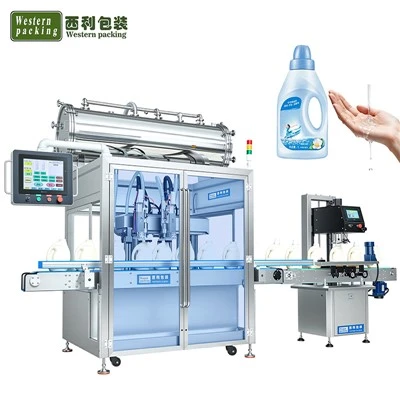
Let’s start with the first big difference that hits every small to mid-sized operator in the wallet: lead times and service. This is where domestic machines just win for most people, hands down. Think about it: if you order a machine built locally, the manufacturer’s shop is an hour or a drive away, not a 2-week flight plus customs delays. I had a customer last year who panicked when his old filler broke 2 days before a big local festival—he ordered a domestic pick-and-place filler from us on a Monday, had it delivered and installed by Wednesday. If he’d gone imported? He’d have waited 6 weeks minimum, and that festival would’ve been a total flop.
But it’s not just delivery. What happens when something goes wrong? With a domestic machine, you can call a local tech who’s been trained on that exact model by the same team that built it, sometimes even the same day. No waiting for overseas support tickets to get routed, no dealing with language barriers (shoutout to the time a customer sent a WeChat voice note complaining about a sensor issue and half our team had to use Google Translate to figure out “it’s beeping and not filling” instead of “the motor’s burned out”). For imported machines, you’re usually stuck troubleshooting over email, maybe swapping parts that have to ship, which adds more downtime. I’ve seen a small craft brewery lose $12k in a weekend because their imported filler’s control panel died and they had to wait 10 days for a replacement—domestic would’ve had a new panel on their doorstep by end of week, problem fixed in an hour.
Next up is customization. Most small to mid-sized businesses don’t need a one-size-fits-all filler. If you’re filling 100ml skincare bottles now, but next month you want to add 50ml sample vials, or switch to a thicker gel vs. a watery toner, you’re going to want a machine that can adapt. Domestic manufacturers are way more flexible here. We don’t have to run a production line of 1000 identical machines—we work with you to tweak the design: adjust the nozzle height, add a quick-change capper, adjust the fill volume in 10ml increments, whatever you need. We can even knock out a prototype in a week if you’re on a tight timeline.
Imported machines, especially the big mass-produced ones from places like China or Germany (wait, Germany’s actually a big exception for high-precision, but we’re talking about the bulk of mid-tier imported fillers), are built for volume. A lot of them have fixed settings or require custom engineering that takes 4-6 weeks and costs extra, because their factories prioritize cranking out as many standard units as possible for global distribution. If you’re a niche brand with weirdly shaped bottles (think the hexagonal artisanal honey jars I had a customer use), good luck finding an imported filler that doesn’t require major mods—domestic? We just adjust the nozzle mount to fit the bottle shape, no big deal.
Wait, but let’s talk about price, because that’s the elephant in the room. A lot of first-time buyers see imported machines and go “wow, that’s way cheaper!” and almost pull the trigger. But here’s the catch: that low upfront price often hides hidden costs. Like, the shipping and customs fees? They can add 15-30% to the total cost, especially if you’re importing a large automated filler. Then there’s the maintenance costs—some imported machines use parts that are only sold overseas, so you have to order them, pay extra shipping, and wait. A domestic filler, parts are stocked locally, so replacement parts are cheaper and faster. Also, resale value: domestic machines hold their value way better. If you decide to upgrade or sell your machine in 5 years, you’ll get more for a local model because buyers know they’re easy to service. I once had a customer trade in a 3-year-old domestic filler for 60% of what he paid, while his friend who bought the same sized imported filler only got 35%—that’s a huge difference when you’re reinvesting in your business.
Don’t get me wrong, imported fillers aren’t all bad. If you’re a big corporation doing 24/7 production of a super standard product—like, say, a national soda brand filling 2-liter bottles of plain cola—imported high-end models (especially from places like Germany or Japan) are built for that, with insane precision and speed. But for the vast majority of small to mid-sized businesses, especially ones that are growing and evolving, imported ends up being a false economy.
Another big point: compliance. Every industry has rules, right? Food and beverage needs to meet FDA standards, skincare needs to follow EU Cosmetics Regulation, pharmaceuticals need cGMP. Domestic manufacturers build machines with those rules front and center. We know what inspectors are looking for—we design the machines so you can take the parts apart for cleaning easily, no hidden crevices that harbor bacteria, all the labeling is clear for audits. Imported machines? Some are built to meet international standards, but not necessarily the specific ones in your country. I had a food client a few years back who almost got a fine because his imported filler’s stainless steel wasn’t food-grade 304, it was a lower grade that was common in the factory’s local market. That’s a $5k fine he could’ve avoided with a domestic machine.
Wait, what about tech support and software? A lot of modern filling machines have touchscreen controls, data tracking, maybe even integration with your inventory software. Domestic manufacturers often use software that’s tailored to small businesses—simple to use, no complicated menus, you can call us to walk you through a setting change in 5 minutes. Imported software might be in another language, have features you don’t need, and require a subscription for updates that you have to pay extra for. I once had a customer who spent 2 hours on hold with an overseas support line just to figure out how to save a custom fill recipe on his imported touchscreen, because the manual was in broken English.
Let’s also talk about flexibility and adaptability over time. I’ve been in this game long enough to see brands go from a 1000-unit weekly batch to 10,000, from one product line to three. Domestic manufacturers can work with you to upgrade your machine later—add a labeling station, switch from gravity filling to piston filling if you start using thicker products, add a capper or a labeler down the line. We don’t see the machine as a one-and-done sale; we see you as a long-term partner. Imported machines? A lot of them are designed so you can’t modify them, or modifying them voids the warranty. You end up having to buy a whole new machine when you outgrow the old one, which is another big cost.
Don’t get me wrong, I’m not bashing all imported machines. If you’re a huge global brand with a massive budget, a team of engineers on staff, and you’re doing exactly the same thing forever, a high-end imported model from a reputable German or Japanese factory might be perfect. But if you’re a small business, a craft brand, a mid-sized operation that’s growing, or just someone who doesn’t want to deal with the headache of downtime, lost revenue, and hidden costs, domestic is almost always the better call.
I should also mention that not all domestic manufacturers are created equal, and not all imported ones are bad—do your research, check reviews, ask for references. Look for a supplier that’s local to your area, has been around for a few years, and can show you examples of machines they’ve installed for similar businesses. That’s what I tell every customer who comes to me: don’t just look at the price tag, look at the total cost of ownership over 5, 10 years.
At the end of the day, your filling machine is the backbone of your production. If it breaks, you can’t fill your products, you can’t sell them, you lose money. Domestic machines keep you up and running, give you the flexibility to grow, and support you when things go wrong. Imported ones might look cheaper upfront, but they can end up costing you way more in the long run.
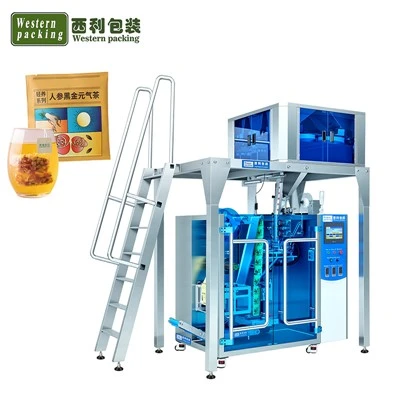
Vertical Form Fill Seal Machine(VFFS) If you’re weighing your options, or you’re ready to stop dealing with imported filler headaches, hit me up. We can walk through your specific needs—what you’re filling, what size bottles, how fast you need to produce, all that good stuff. No sales pitch, no pressure, just straight answers to whatever questions you have. Let’s find a filler that works for your business, not against it.
References
- International Society of Beverage Technologists. (2022). Best Practices for Filling Equipment in Craft Beverage Operations.
- U.S. Small Business Administration. (2023). Total Cost of Ownership for Small Manufacturing Equipment.
- European Machinery Directive 2006/42/EC. (2021). Compliance Requirements for Filling Equipment.
- Packaging Digest. (2022). Import vs. Domestic Packaging Equipment: A Cost-Benefit Analysis for Mid-Sized Brands.
- National Food Safety and Inspection Service. (2023). Filling Sanitation Standards for Food Contact Equipment.
Guangzhou Western Packing Co., Limited
Guangzhou Western Packing Co., Limited is one of the most professional filling machine manufacturers and suppliers in China, also supports custom service. With abundant experience, we warmly welcome you to wholesale durable filling machine at competitive price from our factory.
Address: No.3, Yilong street, Wulonggang, Zhongluotan Twon, Baiyun District, Guangzhou
E-mail: david@westernpacking.com
WebSite: https://www.westernpackingusa.com/
