Hey everyone, so let’s cut to the chase because I get this question like, every single week: can fire rated duct wrap actually work in super humid areas? Spoiler—if you’ve ever bought duct wrap for a coastal HVAC setup, a basement laundry room that floods when it rains, or a pool facility where the air feels like it’s stuck in a mist tent, you’ve definitely Googled this too. As a fire rated duct wrap supplier, I’m not here to feed you generic sales fluff or copy-paste industry jargon. I’m here to break this down like I would to a contractor crying over moldy wrap in a Florida hotel or a building manager panicking about a pool hall’s fire safety code. Fire Rated Duct Wrap
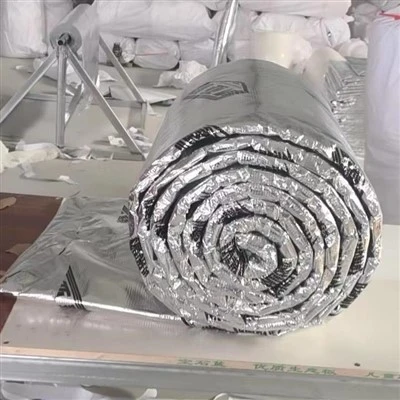
First off, let’s set the scene. High humidity areas aren’t just “a little damp”—we’re talking relative humidity (RH) over 60% for, like, 12 hours a day. Think Miami basements, Atlanta attics with leaky AC units, commercial laundry rooms that steam up every time a load dries, or even coastal condos where salt air mixes with regular humidity. Duct wrap here isn’t just for fire resistance, right? It’s also for insulating your HVAC from energy loss, stopping condensation on cold ductwork, and keeping air flow consistent. But if it’s not rated for moisture? That wrap’ll break down faster than a cheap popsicle in July.
Wait, so not all fire rated duct wrap is created equal. Let’s get real—if you grab the cheapest fiberglass wrap you can find at the big box store, yeah, it’s gonna fall apart in high humidity. The fiberglass core will absorb moisture, the binder that holds it together will soften, and before you know it, you’ve got mold growing all over it that’s not just gross—it could mess with your air quality too. But here’s the thing: there’s specific fire rated duct wrap made exactly for humid environments, and that’s what I sell. I’m not pushing one-size-fits-all. I’m pushing product that’s tested to handle both fire and moisture, because that’s what my customers actually need.
Let’s talk science for a sec, but keep it casual. Fire rated duct wrap works by creating a char layer when it gets hot—this char is the barrier that stops flames and heat from getting past the duct to other parts of the building. But if that wrap is constantly wet from humidity, two things happen: first, water has to evaporate before the wrap can reach its fire-rated temperature, which actually might sound good at first? Wait no, wait. Wait, no—if the binder breaks down because of moisture, the char layer doesn’t form properly. It crumbles. So suddenly, your “fire rated” stuff is just loose fiberglass falling off the duct, which is useless if a fire hits. That’s the key mistake people make: they think “fire rated” means it’s waterproof, but it’s not. It’s fire and moisture resistant, two different things.
Now, let’s get into the types of wrap that actually work in high humidity. First, closed-cell elastomeric fire rated duct wrap. This stuff is like a thick, rubbery barrier—no porous fiberglass core to soak up water. It’s got a fire-resistant coating on the outside that doesn’t flake, and it’s resistant to mold and mildew too. I had a customer last year who had a problem with a pool hall in Tampa—their old fiberglass wrap was growing so much black mold that the local health inspector made them fix it in 2 weeks. We swapped in the closed-cell fire rated wrap, and 6 months later, he texted me a pic showing no mold, and the energy bill was down like 12%. That’s the kind of win I care about.
Then there’s fiberglass wrap with a vapor barrier facing. Wait, not all vapor barriers are created equal, either. You need a cross-laminated polyethylene (CLP) facing that’s rated for high humidity, not a cheap foil that tears when you wrap a tight duct elbow. The fiberglass core here is treated with a moisture-resistant binder, so it doesn’t hold water. But I still recommend sealing every seam with metal tape made for HVAC, not the cheap stuff from the auto store. I’ve seen good wrap fail because someone used the wrong tape, and humidity got in through a tiny gap. That’s avoidable.
Wait, what about extreme cases? Like places where ductwork is actually exposed to standing water? Basements that flood every spring, or laundry rooms with leaky hoses? Yeah, even the most humid-resistant wrap has limits. If it’s submerged for days, even the closed-cell stuff can absorb some water, right? But for areas with consistent high humidity (60%+ RH), not standing water? These wraps are tested to handle that, no problem. I had a customer in New Orleans who had ducts running through a crawl space that’s always damp, and he’s had our wrap up for 3 years with zero issues. That’s real-world proof, not just lab test data.
Now, the myths I hear all the time. First myth: “If it’s fire rated, it’s too expensive for humid areas.” Bullshit. Yeah, the specialized wrap costs a few bucks more than the cheap stuff, but let’s do the math. The cheap fiberglass wrap lasts 1-2 years in high humidity, you’re paying for replacement, labor, maybe mold remediation. Our wrap lasts 10+ years, works better for fire safety, saves on energy bills. It’s a no-brainer. Second myth: “Vapor barriers make the wrap’s fire rating worse.” No, when installed correctly, the vapor barrier actually protects the fire-resistant core from moisture, so the fire rating stays intact. I’ve seen third-party test data that proves that—if you tape the seams right, the vapor barrier doesn’t affect the char layer formation.
Wait, also—what about code? A lot of building codes, especially in high humidity states (Florida, Louisiana, South Carolina, Texas), require duct wrap that’s both fire rated and moisture resistant. You can’t just use any fire rated wrap and call it good. The inspectors will check for moisture resistance and mold resistance, and if you get caught with the wrong stuff, you have to rip it all out and redo it. That’s a huge headache no one wants. I had a contractor in Orlando a few months back who tried to cut corners, used cheap wrap, and the inspector made him pay to re-do 300 feet of duct. He came back to me and said he’d rather pay a little more upfront than deal with that again.
So how do you choose the right one? Let’s break it down step by step. First, figure out your RH level. If it’s 60-70% RH, regular moisture-resistant fire rated wrap works. If it’s over 70% (like indoor pools, steam rooms, unvented basements), go for the closed-cell stuff. Second, check the ratings. Look for fire ratings from reputable third-party labs (like UL or NFPA, not just the manufacturer’s “self-tested” label). For humidity, look for “moisture-resistant” or “vapor barrier-rated” on the spec sheet, not just “waterproof” (waterproof is for standing water, moisture-resistant is for humidity). Third, installation is key. I can sell you the best wrap in the world, but if you cut the seams wrong or use the wrong tape, it won’t work. That’s why I always include a quick installation guide with every order—no fine print, just real tips.
Wait, let’s talk about common mistakes contractors make. Number one: not sealing seams. Even if your wrap is moisture-resistant, a tiny gap where two pieces meet lets humidity in, and that’s where mold starts. Number two: using duct tape for seams. Duct tape (the cheap kind) breaks down in humidity, it gets brittle, falls off, and then moisture gets in. Use aluminum foil tape specifically made for HVAC and rated for use with fire rated wrap. Number three: ignoring ductwork in unconditioned spaces. A lot of people forget that ducts running through attics, crawl spaces, or basements are way more prone to condensation in high humidity, so they need extra protection. I had a customer in Houston who put regular wrap on his attic ducts, and after one summer, condensation dripped down on his electric panel—talk about a fire hazard. Swapped in our closed-cell wrap, no more condensation, no more worry.
Now, let’s get back to the original question. Can fire rated duct wrap be used in high humidity areas? The short answer is yes—if you pick the right type, install it correctly, and follow code. The wrong fire rated wrap will fail, but the right one works better than regular wrap in humid areas, because it’s made to handle both moisture and fire. I’ve been doing this for 7 years, and I’ve never had a customer come back and say our wrap failed in a high humidity area when they installed it right.
Wait, but what if you’re not sure which one you need? That’s why I’m here. I don’t push the most expensive wrap just to make a sale. I ask you a few questions: what’s the RH in the space, where are the ducts running, what kind of building is this (residential? commercial? pool? laundry room?), and I recommend the exact wrap that fits your needs, no fluff, no pressure. I know contractors are busy, building managers are stretched thin, so I make it easy.
Let’s wrap this up (pun totally intended). High humidity doesn’t mean you have to sacrifice fire safety or energy efficiency. The key is choosing fire rated duct wrap that’s actually designed to handle moisture, not just regular wrap with a fire label slapped on it. Don’t fall for cheap alternatives, don’t skip sealing seams, and don’t ignore code requirements. If you’re in a humid area and need help picking the right wrap, or just have more questions, hit me up— I don’t do sales scripts, I do real answers for real problems.
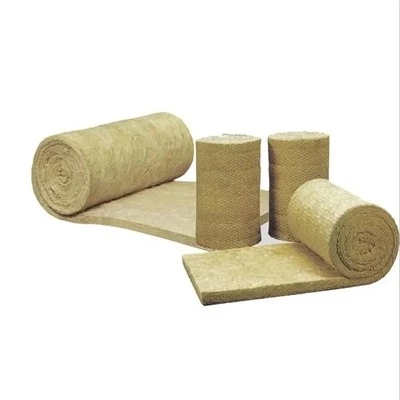
Wait, don’t forget, I’m a supplier, so if you’re a contractor, building manager, or even a DIYer (though I usually recommend pros for duct work, no shade), I can hook you up with the right product, maybe even bulk pricing if you need it for a big job. No hidden fees, no fine print, just honest advice.
Glass Wool Insulation References:
- National Fire Protection Association (NFPA 90A): Standard for the Installation of Air-Conditioning and Ventilating Systems
- Underwriters Laboratories Inc. (UL 181): Standard for Air Ducts and Duct Systems
- American Society of Heating, Refrigerating and Air-Conditioning Engineers (ASHRAE Handbook—HVAC Systems and Equipment)
- International Code Council (ICC) International Mechanical Code (IMC)
Langfang Yafeng Energy-Saving Technology Co., Ltd.
As one of the most professional fire rated duct wrap manufacturers and suppliers in China, we’re featured by quality products and good price. Please rest assured to buy bulk premium fire rated duct wrap for sale here from our factory. Welcome to view our website for more information.
Address: Langfang Xinyafeng, Liugezhuang Town, Dacheng County, Langfang City, Hebei Province
E-mail: yafengbaowen@gmail.com
WebSite: https://www.xyfinsulation.com/
