How to troubleshoot issues with marine bilge pump hardware
As a long – time supplier of marine hardware, I’ve received numerous inquiries from boat owners about the challenges they face with their bilge pumps. Bilge pumps are a crucial part of any vessel, as they are responsible for removing water that accumulates in the bilge, preventing flooding and potential damage to the boat. In this blog post, I’ll share some common issues with marine bilge pump hardware and how to troubleshoot them effectively. Marine Hardware
1. No Power to the Pump
One of the most common problems boat owners encounter is a bilge pump that simply won’t turn on. The first step in troubleshooting this issue is to check the power source.
Battery Check
The battery is the primary power supply for most bilge pumps. Start by inspecting the battery terminals for any signs of corrosion. Corroded terminals can prevent the proper flow of electricity to the pump. Use a wire brush to clean the terminals and ensure they are tightly connected. Check the battery voltage with a multimeter. A fully charged 12 – volt battery should read around 12.6 volts. If the battery voltage is low, recharge it or replace it if it’s old and no longer holding a charge.
Fuse and Circuit Breaker
Next, examine the fuse or circuit breaker associated with the bilge pump. A blown fuse or tripped circuit breaker can cut off power to the pump. Locate the fuse box or breaker panel and find the fuse or breaker for the bilge pump. Check the fuse for a broken wire inside. If it’s blown, replace it with a fuse of the same amperage rating. For a tripped circuit breaker, simply reset it. If the fuse blows or the breaker trips again immediately, there may be a short – circuit in the wiring.
Wiring Inspection
Inspect the wiring from the battery to the bilge pump for any signs of damage, such as cuts, frays, or loose connections. A damaged wire can disrupt the electrical circuit. If you find any damaged wiring, repair or replace it. Make sure all connections are clean and tight. You can use electrical tape or heat – shrink tubing to secure the connections.
2. Pump Not Priming
Even when the pump has power, it may fail to prime and start pumping water. This can be due to several reasons.
Air Leaks
Check the intake and discharge hoses for air leaks. A small hole or a loose connection in the hoses can allow air to enter the system, preventing the pump from creating the necessary suction to prime. Inspect the hoses carefully for any visible holes or cracks. Tighten all hose clamps to ensure a secure connection. If you find a damaged hose, replace it with a new one.
Blockages in the Intake
The intake strainer or the intake hose may be blocked with debris such as leaves, dirt, or small marine organisms. Remove the intake strainer and clean it thoroughly. If the blockage is in the intake hose, you can try using a pipe cleaner or a small brush to remove the debris. In severe cases, you may need to disconnect the intake hose and flush it with clean water.
Incorrect Installation
Ensure that the pump is installed correctly. The pump should be mounted in a horizontal position to allow proper priming. If the pump is installed at an angle or vertically, it may not be able to prime effectively. Also, make sure the intake and discharge hoses are of the correct size and length. Using hoses that are too small or too long can cause problems with priming.
3. Low Pump Output
If the bilge pump is running but the water is not being pumped out as quickly as it should, there are a few things to check.
Impeller Issues
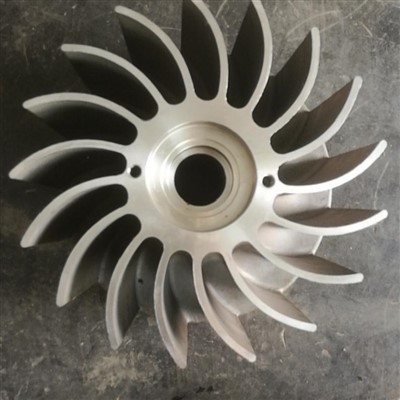
The impeller is a key component of the bilge pump that creates the suction and pumping action. Over time, the impeller can wear out or become damaged. Remove the pump housing and inspect the impeller. Look for signs of wear, such as missing or broken vanes. If the impeller is damaged, replace it with a new one. Make sure to use an impeller that is compatible with your bilge pump model.
Discharge Blockage
Check the discharge hose for any blockages. A blockage in the discharge hose can restrict the flow of water out of the pump. Look for debris, kinks, or collapsed sections in the hose. Remove any blockages and straighten out any kinks. If the hose is damaged, replace it.
Pump Cavitation
Cavitation occurs when the pressure in the pump drops too low, causing the water to vaporize and form bubbles. This can reduce the pump’s efficiency and output. Cavitation can be caused by a clogged intake, a damaged impeller, or incorrect pump installation. To prevent cavitation, ensure that the intake is clear, the impeller is in good condition, and the pump is installed correctly.
4. Excessive Noise
A noisy bilge pump can be a sign of a problem.
Loose Mounting
Check if the pump is securely mounted. A loose pump can vibrate and make a lot of noise. Tighten the mounting bolts or brackets to secure the pump in place. You may also want to use rubber mounts or vibration – dampening pads to reduce noise and vibration.
Worn Bearings
If the noise is coming from inside the pump, it could be due to worn bearings. Over time, the bearings in the pump motor can wear out, causing a grinding or whining noise. If you suspect worn bearings, it’s best to have the pump serviced or replaced by a professional.
5. Pump Cycling Too Frequently
If the bilge pump is turning on and off too often, it can indicate a problem.
Float Switch Malfunction
The float switch is responsible for turning the bilge pump on and off based on the water level in the bilge. A malfunctioning float switch can cause the pump to cycle too frequently. Check the float switch for any signs of damage or debris. Make sure it moves freely and is not stuck in the "on" position. If the float switch is damaged, replace it.
Leaking Hoses or Fittings
A small leak in the hoses or fittings can cause the water level in the bilge to rise slightly, triggering the float switch and causing the pump to cycle. Inspect all hoses and fittings for leaks. Tighten any loose connections, and replace any damaged hoses or fittings.
Conclusion

Troubleshooting issues with marine bilge pump hardware can seem daunting, but by following these steps, you can often diagnose and fix the problem yourself. Regular maintenance of your bilge pump, including checking the power source, inspecting hoses and fittings, and cleaning the intake strainer, can prevent many common issues.
Stainless Steel Fittings As a marine hardware supplier, we offer a wide range of high – quality bilge pumps and related parts to meet your needs. Whether you need a new pump, an impeller, or a float switch, we have you covered. If you’re experiencing problems with your bilge pump or are looking to upgrade your existing system, don’t hesitate to contact us for professional advice and to discuss your purchase options. We’re here to help you keep your boat safe and dry on the water.
References
- "Marine Electrical Systems Handbook" by Nigel Calder
- "Boatowner’s Mechanical and Electrical Manual" by Charles Doane
Shandong Shunye Stainless Steel Co., Ltd.
Address: Shandong Province, Binzhou City, Wudi County, Liubao Town, Zhangdong Road, Duliucun Village
E-mail: sales@wdshunye.com
WebSite: https://www.shunyecasting.com/
