Hey there! As a supplier of thermal overload relays, I know firsthand how crucial it is to ensure these little guys work reliably over the long haul. In this blog, I’m gonna share some tips and tricks on how to keep your thermal overload relays in top shape for years to come. Thermal Overload Relay
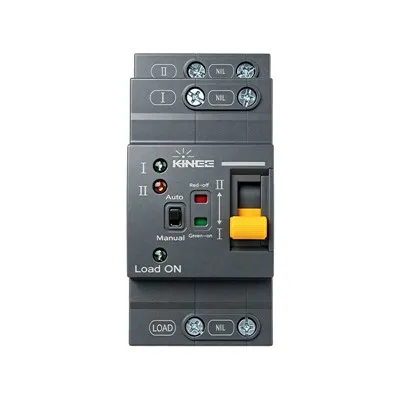
First things first, let’s understand what a thermal overload relay does. Simply put, it’s a safety device that protects electric motors from overheating. When a motor draws too much current for too long, the relay trips and cuts off the power, preventing damage to the motor. Sounds simple, right? But ensuring its long – term reliability is a bit more complicated.
Proper Installation
The first step in ensuring long – term reliability is proper installation. You can’t just slap a thermal overload relay anywhere and expect it to work perfectly. It needs to be installed in a location where the temperature is stable. Extreme temperatures can mess with the relay’s calibration. For example, if it’s installed in a spot that gets really hot during the day, the relay might trip prematurely. On the other hand, if it’s in a cold area, it might not trip when it should.
Also, make sure the electrical connections are tight. Loose connections can cause arcing, which not only affects the relay’s performance but can also be a fire hazard. When you’re making the connections, use the right size of wire and follow the manufacturer’s instructions carefully. It’s like building a house; if the foundation (the installation) is weak, the whole thing is gonna fall apart sooner or later.
Regular Maintenance
Just like your car needs regular oil changes, thermal overload relays need regular maintenance. One of the most important parts of maintenance is cleaning. Over time, dust and dirt can accumulate on the relay, which can affect its heat dissipation. A dirty relay might overheat itself, even if the motor it’s protecting is running fine. So, use a soft brush or compressed air to clean the relay every few months.
Another aspect of maintenance is checking the calibration. The calibration of a thermal overload relay determines at what current level it will trip. Over time, this calibration can drift, especially if the relay has been exposed to vibrations or temperature variations. You can use a multimeter or a specialized calibration tool to check if the relay is still tripping at the right current. If not, you might need to adjust it or replace it.
Environmental Considerations
The environment where the thermal overload relay is used can have a big impact on its reliability. If the relay is installed in a place with high humidity, it can corrode the internal components. Corrosion can lead to poor electrical conductivity and eventually cause the relay to fail. In such cases, you might want to use a relay with a protective coating or install it in an enclosure that can keep the moisture out.
Similarly, if there’s a lot of dust, chemicals, or other contaminants in the air, they can also damage the relay. For example, in a factory where there are a lot of metal shavings flying around, these shavings can get into the relay and short – circuit it. So, it’s important to choose a relay that’s suitable for the specific environment. Some relays are designed to be more resistant to dust and chemicals than others.
Quality of the Relay
This might seem obvious, but the quality of the thermal overload relay you choose is super important. As a supplier, I’ve seen a lot of cheap relays that break down after just a few months of use. When you’re buying a relay, don’t just go for the cheapest option. Look for a relay that’s made by a reputable manufacturer. A good quality relay will have better materials, more precise calibration, and better durability.
You can also look for relays that have been tested and certified by relevant standards organizations. For example, relays that meet the IEC (International Electrotechnical Commission) standards are generally more reliable. These standards ensure that the relay has been tested for various performance and safety parameters.
Monitoring and Testing
Regular monitoring and testing are essential for ensuring the long – term reliability of a thermal overload relay. You can set up a monitoring system to keep track of the relay’s performance. This can include monitoring the current, temperature, and tripping frequency. If you notice any abnormal changes in these parameters, it could be a sign that something is wrong with the relay.
Periodic testing is also important. You can perform a functional test on the relay to make sure it trips when it should. This can involve simulating an over – current situation and checking if the relay cuts off the power. You can do this test manually or use an automated testing system, depending on your needs.
Training for Operators
Last but not least, it’s important to train the operators who will be using the thermal overload relays. They need to know how to install, maintain, and troubleshoot the relays properly. If the operators don’t know what they’re doing, they might make mistakes that can affect the reliability of the relay.
For example, if an operator tightens the electrical connections too much, it can damage the relay. Or if they don’t clean the relay regularly, it can lead to overheating. By providing proper training, you can ensure that the operators are taking good care of the relays and that they know what to do in case of a problem.
In conclusion, ensuring the reliability of a thermal overload relay in long – term operation requires a combination of proper installation, regular maintenance, environmental considerations, choosing a high – quality relay, monitoring and testing, and training for operators. If you follow these steps, you can be sure that your thermal overload relays will work reliably for a long time.

If you’re in the market for thermal overload relays or have any questions about ensuring their reliability, don’t hesitate to reach out to me. I’d be happy to have a chat with you about your specific needs and help you find the best solution.
Power Transfer References
- Electrical Equipment Maintenance Handbook
- Standards and Guidelines for Thermal Overload Relays by IEC
Wenzhou Kinee Electrical Co., Ltd.
We are one of the most professional thermal overload relay manufacturers and suppliers in China, featured by quality products and good price. Please rest assured to buy advanced thermal overload relay made in China here from our factory. We also accept customized orders.
Address: Unit 1, Building 31, Wenzhou Wenbo Science and Technology Industrial Park, No. 706 Yanyun Road, Lingkun Street, Oujiangkou Industrial Cluster Area, Wenzhou, Zhejiang Province
E-mail: sandyma@kinee.net
WebSite: https://www.kinee.net/
