As a supplier of Trace Elements B Mo Co Fertilizer, I often receive inquiries from greenhouse growers about the suitability of our product for their cultivation needs. In this blog, I’ll delve into the science behind using Trace Elements B Mo Co Fertilizer in greenhouse cultivation, exploring its benefits, potential challenges, and best practices. Trace Elements B Mo Co Fertilizer

Understanding Trace Elements B Mo Co Fertilizer
Before we discuss its application in greenhouses, let’s understand what Trace Elements B Mo Co Fertilizer is. Boron (B), Molybdenum (Mo), and Cobalt (Co) are micronutrients, essential for plant growth in small quantities. Boron plays a crucial role in cell wall formation, pollen germination, and fruit development. Molybdenum is involved in nitrogen metabolism and enzyme activation, while cobalt is necessary for nitrogen – fixing bacteria in legumes and plays a role in plant stress response.
Benefits of Using Trace Elements B Mo Co Fertilizer in Greenhouses
1. Enhanced Plant Growth and Development
In a greenhouse environment, where plants are often grown in a controlled setting, the availability of essential nutrients can be limited. Adding Trace Elements B Mo Co Fertilizer can significantly enhance plant growth. For example, boron deficiency can lead to stunted growth, poor flowering, and reduced fruit set. By providing an adequate supply of boron, we can ensure that plants develop strong cell walls, have proper reproductive functions, and produce higher – quality fruits and vegetables.
Molybdenum is essential for the conversion of nitrate to ammonia in plants. In greenhouses, where nitrogen fertilizers are commonly used, the presence of molybdenum ensures efficient nitrogen utilization. This leads to better plant vigor, increased chlorophyll production, and improved overall growth.
Cobalt, although required in extremely small amounts, is important for the health of beneficial soil bacteria. In leguminous plants grown in greenhouses, cobalt helps these bacteria to fix atmospheric nitrogen, reducing the need for synthetic nitrogen fertilizers.
2. Improved Disease Resistance
Plants that receive a balanced supply of trace elements are generally more resistant to diseases. Boron has been shown to enhance the plant’s defense mechanisms against fungal and bacterial pathogens. It strengthens the cell walls, making it more difficult for pathogens to penetrate the plant tissues. Molybdenum is involved in the synthesis of enzymes that play a role in the plant’s immune response. By ensuring an adequate supply of these trace elements, we can reduce the incidence of diseases in greenhouse – grown plants.
3. Higher Yield and Quality
The combination of enhanced growth, improved disease resistance, and proper nutrient utilization leads to higher yields and better – quality produce. In greenhouse tomatoes, for example, the use of Trace Elements B Mo Co Fertilizer can result in larger, more flavorful fruits with a longer shelf – life. In floriculture, it can lead to more vibrant flowers, larger blooms, and better vase life.
Potential Challenges in Using Trace Elements B Mo Co Fertilizer in Greenhouses
1. Nutrient Imbalance
One of the main challenges is achieving the right balance of trace elements. Excessive amounts of boron, molybdenum, or cobalt can be toxic to plants. For instance, high levels of boron can cause leaf burn, reduced growth, and even plant death. To avoid this, it’s crucial to follow the recommended application rates based on soil testing and plant requirements.
2. Interaction with Other Nutrients
Trace elements can interact with other nutrients in the soil. For example, high levels of phosphate can reduce the availability of molybdenum to plants. In greenhouse cultivation, where fertilizers are often applied in a complex mixture, it’s important to understand these interactions and adjust the fertilizer program accordingly.
Best Practices for Using Trace Elements B Mo Co Fertilizer in Greenhouses
1. Soil Testing
Before applying Trace Elements B Mo Co Fertilizer, it’s essential to conduct a soil test. This will help determine the existing levels of boron, molybdenum, and cobalt in the soil, as well as the overall nutrient status. Based on the test results, we can calculate the appropriate amount of fertilizer to apply.
2. Application Methods
There are several ways to apply Trace Elements B Mo Co Fertilizer in greenhouses. It can be applied as a foliar spray, which allows for quick absorption by the plant leaves. This is particularly useful in cases where there is an immediate need to correct a nutrient deficiency. It can also be applied as a soil amendment, either by mixing it with the growing medium before planting or by top – dressing during the growing season.
3. Timing of Application
The timing of fertilizer application is also crucial. For example, in fruiting plants, applying boron during the flowering and fruit – set stages can significantly improve the quality and quantity of the fruits. Molybdenum is best applied early in the growing season to support nitrogen metabolism.
Case Studies
Let’s look at a few real – world examples of the successful use of Trace Elements B Mo Co Fertilizer in greenhouses.
A greenhouse grower in California was experiencing poor fruit set in his tomato plants. After conducting a soil test, it was found that the boron levels were low. By applying our Trace Elements B Mo Co Fertilizer as a foliar spray during the flowering stage, the grower noticed a significant improvement in fruit set. The tomatoes were larger, had a better flavor, and the overall yield increased by 20%.
In a greenhouse nursery in Florida, the owner was having trouble with the growth of his young ornamental plants. A soil test revealed a molybdenum deficiency. By incorporating our fertilizer into the growing medium, the plants showed improved growth, with more vibrant foliage and stronger stems.
Conclusion
In conclusion, Trace Elements B Mo Co Fertilizer can be a valuable addition to greenhouse cultivation. It offers numerous benefits, including enhanced plant growth, improved disease resistance, and higher yields. However, it’s important to be aware of the potential challenges and follow best practices to ensure its effective use.
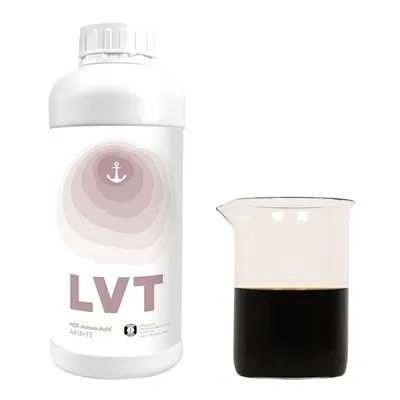
If you’re a greenhouse grower looking to improve the health and productivity of your plants, I encourage you to consider using our Trace Elements B Mo Co Fertilizer. Our product is of the highest quality, formulated to provide the right balance of boron, molybdenum, and cobalt.
Amino Acid Water Soluble Fertilizer with Elemental Nutrients If you’re interested in learning more about our Trace Elements B Mo Co Fertilizer or would like to discuss your specific greenhouse cultivation needs, please feel free to reach out to me. We can have a detailed discussion about how our fertilizer can be tailored to your requirements and help you achieve the best results in your greenhouse.
References
- Marschner, H. (1995). Mineral Nutrition of Higher Plants. Academic Press.
- Epstein, E., & Bloom, A. J. (2005). Mineral Nutrition of Plants: Principles and Perspectives. Sinauer Associates.
- Mengel, K., & Kirkby, E. A. (2001). Principles of Plant Nutrition. Kluwer Academic Publishers.
Weifang Lvweite Bio-Tech Co., Ltd.
With abundant experience, we are one of the leading manufacturers and suppliers of trace elements b mo co fertilizer in China. Please rest assured to buy bulk high quality fertilizers made in China here from our factory. If you have any enquiry about cooperation, please feel free to email us.
Address: No. 6 Xinchuan Rd, Xin’an Street, Anqiu City, Shandong, China
E-mail: info@lvtfertilizer.com
WebSite: https://www.lvtfertilizer.com/
