When it comes to construction and structural applications, the choice between cold-rolled sections and wood is a critical decision that can significantly impact the performance, durability, and cost of a project. As a supplier of cold-rolled sections, I’ve witnessed firsthand the advantages and disadvantages of both materials in various scenarios. In this blog post, I’ll delve into a comprehensive comparison of cold-rolled sections and wood in terms of performance, exploring their strengths and weaknesses to help you make an informed decision for your next project. Cold-rolled Sections
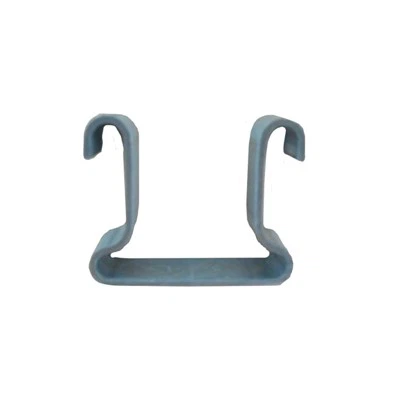
Strength and Durability
One of the most significant advantages of cold-rolled sections over wood is their superior strength and durability. Cold-rolled steel is produced by passing steel through rollers at room temperature, which increases its strength and hardness. This process results in sections with high yield and tensile strength, making them ideal for applications that require load-bearing capabilities. In contrast, wood has a lower strength-to-weight ratio and is more susceptible to damage from environmental factors such as moisture, insects, and rot.
Cold-rolled sections are also highly resistant to corrosion, which is a major concern in outdoor and marine applications. Steel can be coated with protective layers such as galvanization or paint to further enhance its corrosion resistance. Wood, on the other hand, requires regular maintenance and treatment to prevent decay and insect infestation. Over time, untreated wood can deteriorate, leading to structural failure and costly repairs.
Design Flexibility
Cold-rolled sections offer greater design flexibility compared to wood. Steel can be easily fabricated into a wide range of shapes and sizes, allowing for the creation of complex and customized structures. This flexibility is particularly beneficial in modern construction, where architects and engineers are constantly pushing the boundaries of design. Cold-rolled sections can be used to create curved, tapered, and irregular shapes that would be difficult or impossible to achieve with wood.
In addition, cold-rolled sections can be joined together using various methods, such as welding, bolting, or riveting. These connections are strong and reliable, ensuring the structural integrity of the entire system. Wood, on the other hand, is typically joined using nails, screws, or adhesives, which may not provide the same level of strength and stability.
Fire Resistance
Another important factor to consider when comparing cold-rolled sections and wood is their fire resistance. Steel is a non-combustible material, which means it does not burn or contribute to the spread of fire. In the event of a fire, cold-rolled sections can maintain their structural integrity for a longer period of time, providing valuable time for evacuation and firefighting efforts.
Wood, on the other hand, is a combustible material and can quickly ignite and burn. While treated wood can have improved fire resistance, it is still not as fireproof as steel. In high-risk applications such as commercial buildings and industrial facilities, the use of cold-rolled sections can significantly enhance the fire safety of the structure.
Sustainability
In recent years, sustainability has become an increasingly important consideration in the construction industry. Cold-rolled sections are a highly sustainable material, as steel is one of the most recycled materials in the world. Up to 90% of steel can be recycled at the end of its life, reducing the demand for virgin materials and minimizing the environmental impact of construction projects.
Wood is also a renewable resource, but its sustainability depends on responsible forestry practices. The production of wood products can have a significant impact on the environment, including deforestation, habitat destruction, and greenhouse gas emissions. In addition, the transportation of wood over long distances can contribute to carbon emissions.
Cost
Cost is often a major factor in the decision-making process when choosing between cold-rolled sections and wood. While the initial cost of cold-rolled sections may be higher than wood, the long-term cost savings can be significant. Cold-rolled sections require less maintenance and have a longer lifespan, which can reduce the overall cost of ownership over time.
In addition, the design flexibility of cold-rolled sections can result in more efficient use of materials, reducing waste and saving money. Wood, on the other hand, may require more frequent repairs and replacements, which can add up over time.
Conclusion
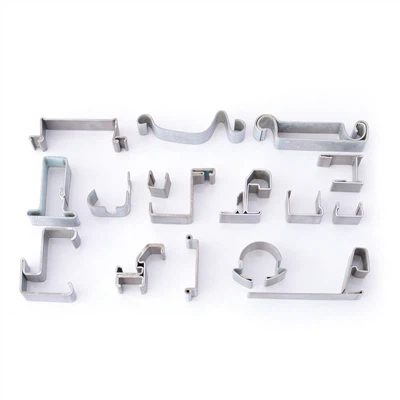
In conclusion, cold-rolled sections offer several advantages over wood in terms of performance, durability, design flexibility, fire resistance, sustainability, and cost. While wood may be a suitable material for certain applications, such as residential construction or decorative purposes, cold-rolled sections are often the preferred choice for large-scale commercial and industrial projects.
Aluminized Steel Burner As a supplier of cold-rolled sections, I’m committed to providing high-quality products and excellent customer service. If you’re considering using cold-rolled sections in your next project, I’d be happy to discuss your specific needs and provide you with a quote. Please feel free to contact me to start a conversation about how cold-rolled sections can meet your requirements and enhance the performance of your project.
References
- American Iron and Steel Institute. (2023). Cold-Formed Steel Design Manual.
- Forest Products Laboratory. (2010). Wood Handbook: Wood as an Engineering Material.
- International Code Council. (2021). International Building Code.
Shengkun Precision Roll Forming Profiles (Shanghai) Co., Ltd.
As one of the most professional cold-rolled sections manufacturers and suppliers in China, we’re featured by quality products and low price. Please rest assured to buy high-grade cold-rolled sections made in China here from our factory. Contact us for pricelist and quotation.
Address: No.3 Workshop Building Lane2665 Yexin Highway Yexie Town Songjiang District Shanghai China
E-mail: sk@shengkun-rollforming.com
WebSite: https://www.sk-rollforming.com/
